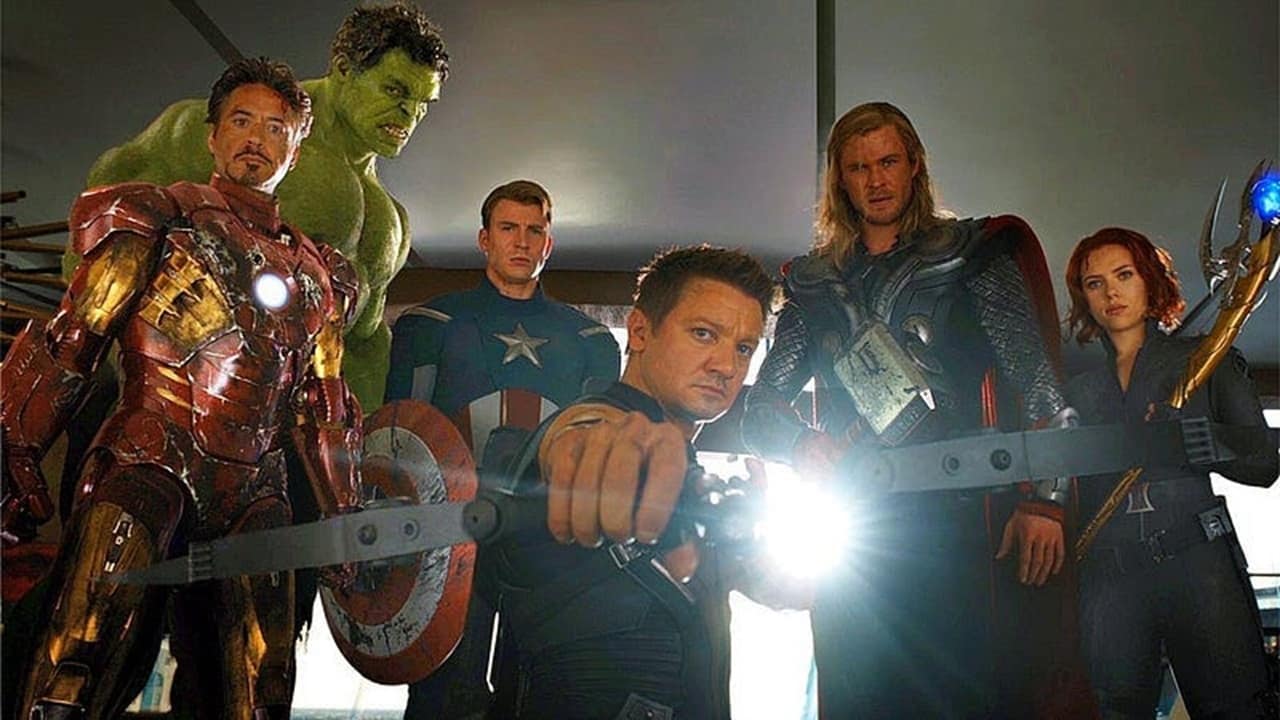
Note: This was originally written and published on a now-defunct site for the tenth anniversary of the Avengers release.
Some years ago, when I was revisiting the Marvel Studios films in advance of Avengers: Endgame, I wrote about how 2012’s Avengers defied all of my expectations. On the 10th anniversary of this film’s release, the mythos around this film has changed (mostly because of behind-the-scenes revelations) but its impact remains the same. This was the movie that proved beyond all shadow of a doubt that the newly minted Marvel Studios was able to bring to the big screen the formula that worked so long for them in the comics. No, I’m not talking about telling stories about superhumans that bring them down-to-Earth with relatable problems but rather making the large world of Marvel heroes feel real and lived in. Even more so, it showed that the studio could successfully sell this shared universe idea to audiences without sacrificing big box office returns. If the cameos at the end Iron Man and The Incredible Hulk were the proof-of-concept, Avengers was the prototype for the modern MCU.
In the past 10 years, Marvel Studios has gone from a risky proposition for a constantly struggling comic book company to one of the surest bets for blockbuster success. They have had massive hits and ambitious disappointments (read: Eternals) that still are bold and dynamic films. Their next film, due out this weekend, Doctor Strange in the Multiverse of Madness is another big, weird comic book movie that requires audiences to not just understand 20 years of Marvel movie history but also how the rights in the film business work. (Specifically, the inclusion of Patrick Stewart’s Charles Xavier from the X-Men films which casual moviegoers may not understand is a different “reality” from the main MCU.) However, when looking specifically at the legacy of Avengers there is no way to discuss it without at least mentioning the writer and director’s fall from grace.
Even Before His Fall From Grace, Avengers Was The Zenith Of Joss Whedon’s Career
Joss Whedon, who left Marvel to helm the most reviled DC film perhaps of all time Justice League, is no longer the massive franchise builder he once was. Reports of his mistreatment of actors on sets from Justice League dating all the way back to Buffy, forced all genre fans who enjoyed his work to do some reevaluating. Is he the wonderkid (all due respect to Ted Lasso’s Nate) that we all thought? The answer is: not really. Yet, for me, the realization that Whedon is something of a one-trick pony crystalized for me when I watched Zack Snyder’s Justice League for the first time. I had been able to correctly identify every addition made by Whedon in the theatrical cut. The line between “authorial voice” and “hack” became very blurry. (Though, in fairness, my favorite moment in both versions of the Justice League movie was Whedon’s: Batman’s “just save one” speech to the Flash was peak comic book goodness.)
Still, to keep the focus on the subject at hand, the distinct style of Whedon as a writer and director is as evident in this movie as any other project of his. Yet, save for perhaps Firefly, the Whedon style never worked better than it did in Avengers. His no-frills shorthand for establishing character relationships through dialogue, capability of handling conceptual sci-fi, and talent for inserting comedic beats during high-stakes moments all contributed to making this film work. This movie had to do a lot of “work” to get the characters together and believably create the circumstances for their team-up. Maybe the film succeeded in spite of Whedon, especially when comparing this one to Avengers: Age of Ultron. While he sounds like a nightmare of a man to work for, Whedon was able to assemble a cast and crew of creatives who all delivered on what they were supposed to do.
The Avengers Was The Triumph That Proved The MCU Was Going To Work
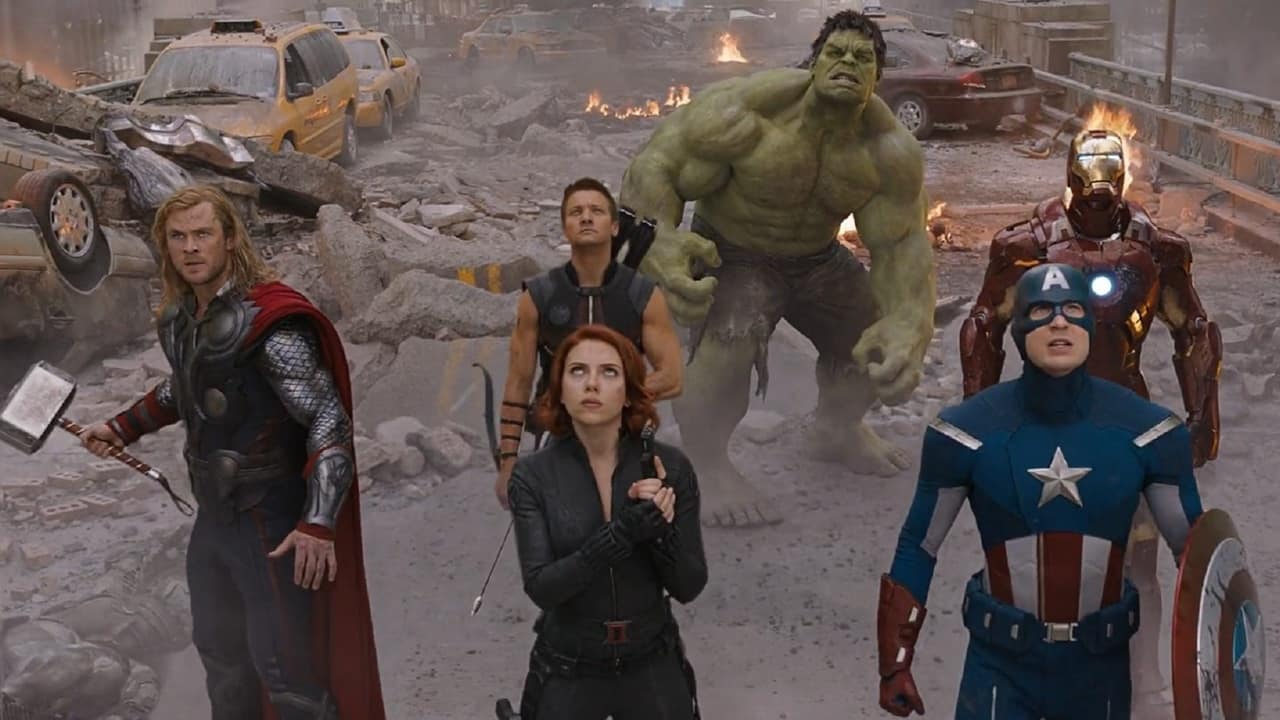
For me, this film is inseparable from when it came out and what it signified for the larger MCU. The love I have for it is as much about that moment in the theater when it was over that I first knew Marvel Studios was going to succeed in their endeavor. When they first began, the Marvel film operation seemed like a desperate last-ditch gamble by a company that optioned away the rights to its biggest characters to use the B-Team to catch the dying wave of superhero blockbusters in cinema. By the time audiences saw the Avengers wordlessly eating “the best Schwarma in New York City,” they were the studio who would keep superheroes in pop culture forever. Avengers marked the moment that Stan Lee’s legion of True Believers recognized that their faith was not in vain.
The law of averages suggests that Marvel Studios will eventually fall from grace leading to what will inevitably result in a reboot of the entire MCU. Maybe they will again defy the odds, maybe they won’t. No matter what happens going forward, the achievement that started with Avengers and culminated in Avengers: Endgame is one that transcends simple storytelling or box office earnings. The new American mythology born in the pages of comic books throughout the past 50 years was brought to life. Just 20 years before the debut of this film, comic book fans often had to keep their fandom to themselves. Comic book stories were not for popular folks nor a respected artistic medium. Today, they are the cornerstone of pop culture and, as the box office returns for Spider-Man: No Way Home and The Batman show, potentially the savior of the movie theater industry. There are countless places where the modern comic book movie revolution began, but Avengers was the final beginning. They’d arrived and they were burdened with glorious purpose.
Whether or not the movie as a story “holds up” is a matter of taste, and one that the kids who find it on Disney+ buried in the rest of the Marvel offerings to decide. But for those of us who were there, Avengers was special. The story worked, the movie did too, and the rest is history.


