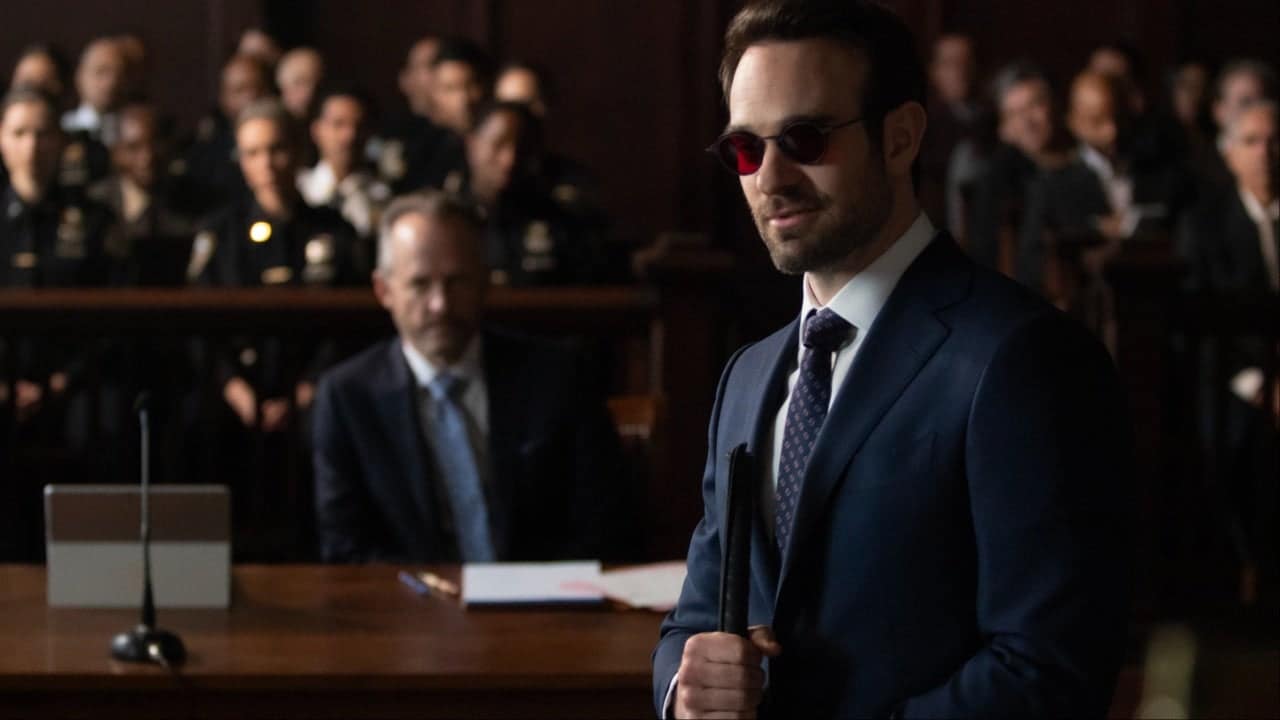
During the pandemic, an “Investor Day” online presentation from Disney trumpeted the future of their streaming service. This week’s cancellation of Daredevil: Born Again proves the House of Mouse completely failed to live up to that promise. This is not the fault of Marvel Studios, Lucasfilm, or the shows they created. Rather, it’s that even after all these years, these studios still do not understand what people want from streaming.
In fairness, this is not just a Disney problem. Every major studio, like the soon-to-be merged Paramount and Warner Bros., tried to do in a year what it took Netflix a decade to accomplish. They wanted to create a direct-to-consumer service built on the strength of their franchises. By delivering both original films and TV series to fans, they would corner the entertainment marketplace by upending the landscape. Yet all of them still judge success and failure by the very paradigm they destroyed.
Disney and Other Studios Still Treat Streaming Like Regular Ol’ TV
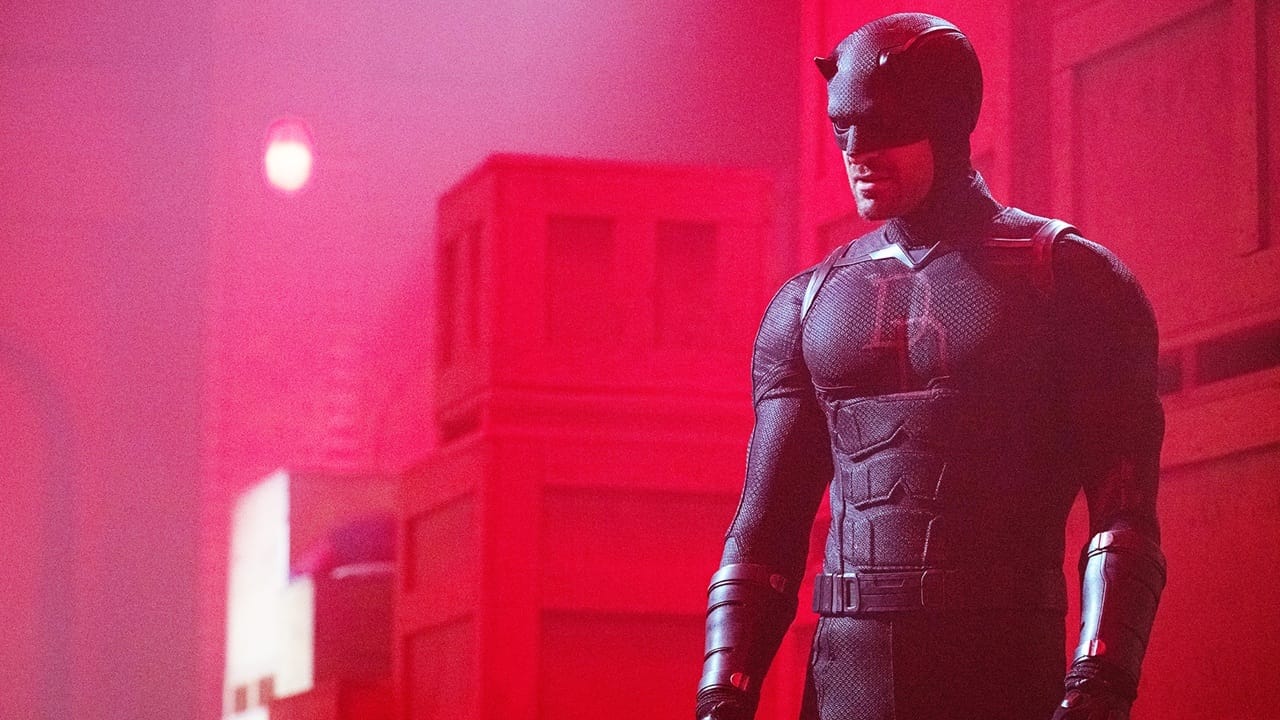
The most notable thing from a business perspective about Disney+ or its streaming peers is the data. They can track what their customers watch down to the millisecond. Yet, for some inexplicable reason, they still rely on a third party service like Nielsen to measure hits and flops. Each week, the Nielsen Streaming Top Ten ranks original and acquired shows and films. The method by which they do this is suspect, because instead of evaluating a single episode, they measure the total minutes watched for an entire series.
This means a show like Star Trek: Starfleet Academy, with as many hours in its catalog as episodes, competes with a show like Criminal Minds, which has more than 370 episodes spread across 15 seasons. And even if this weren’t suspect, their results are nowhere near as granular nor complete as a given service’s own data. Daredevil: Born Again failed to crack the Top Ten in both seasons, in part because the eminently rewatchable previous seasons of the Netflix-produced show are a different title entirely. Also, Nielsen doesn’t take into account the disparity in subscribers. Disney+ has exponentially more potential viewers than Paramount+, and both of them are easily dwarfed by Netflix.
Some viewers, myself included, enjoy when a show like Born Again releases new episodes weekly. One can sit with a single story, thinking about it or rewatching it, instead of just burning through a season in a weekend. Yet, most viewers like to wait, at least until the full season debuts. Similarly, because they can watch it whenever they want, they don’t treat these shows like appoint-TV of old. Yet, because Born Again didn’t show viewership increases week-to-week, the studio and even some in the entertainment press, treat it like a failure.
Daredevil: Born Again Could Have Redefined Disney+ And The MCU
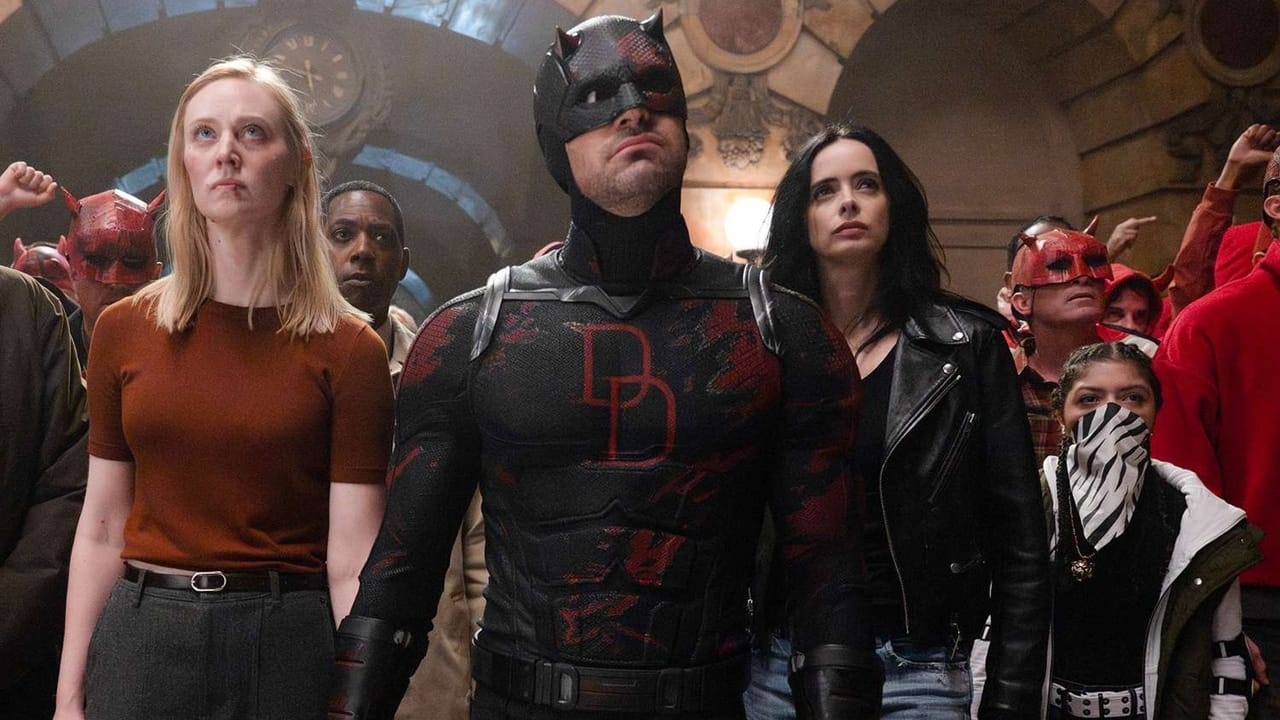
After the triumph of Avengers: Endgame, the Marvel Cinematic Universe entered brand-new territory for this kind of generational franchise. Every similar property, from standalone hero franchises with Superman, Batman, and Spider-Man, to Star Wars, Star Trek, and others had a dormant period before a new wave of storytelling. Marvel Studios just kept going. Meanwhile those who grew up with the MCU moved on as kids often do. They also might have simply started taking it for granted. Either way they faced an enthusiasm problem that Daredevil: Born Again started to fix.
As a shared universe with dozens of films and TV shows, the continuity of this shared universe is expansive. So much so that people felt lost with each new release post-Avengers: Endgame. With Daredevil: Born Again, the story picked up where the original Daredevil series left off. Yet, its street-level focus meant a more (relatively) grounded approach to storytelling and a somewhat self-contained continuity within the MCU. Just as Marvel Television did with the suite of series leading up to The Defenders, the advent of Born Again could have created a new TV-based universe viewers could follow along with at their own pace.
Daredevil Could Have Led An Army Of Street-Level MCU Superheroes
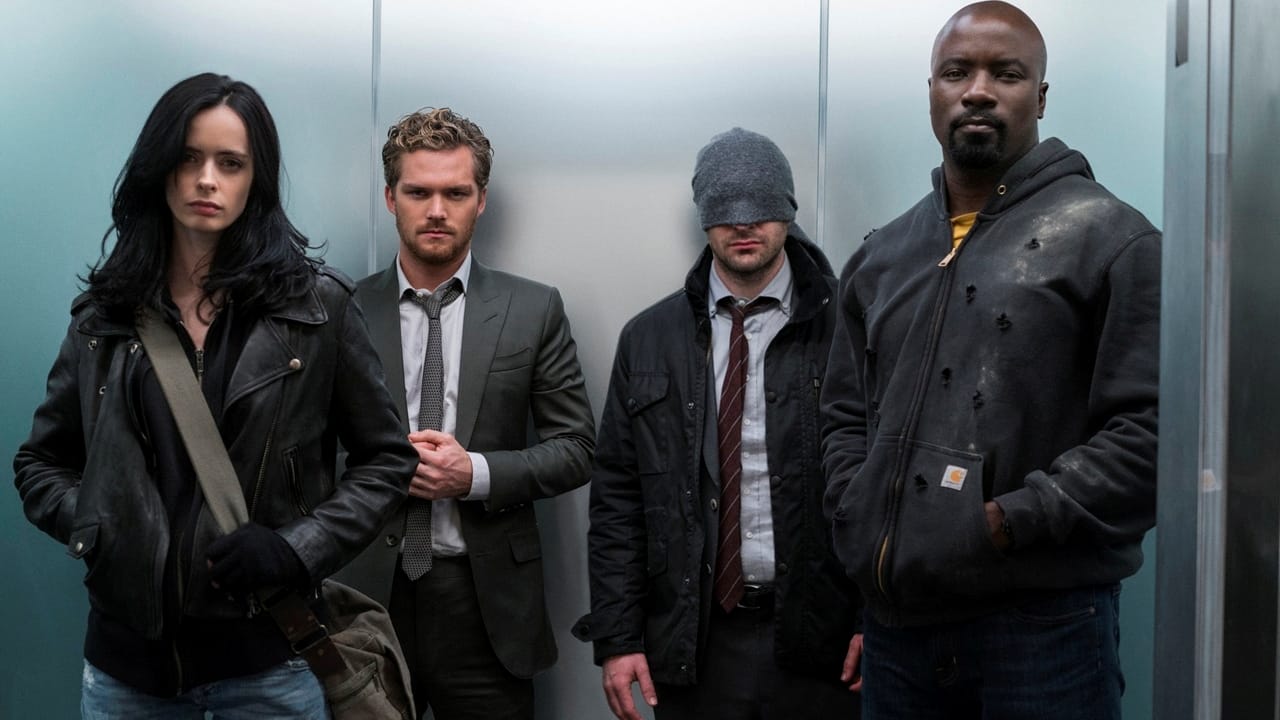
On the big screen and with many of the first Disney+ shows in the MCU, the target audience is families. Born Again carried a TV-MA rating, and the violence and language marked it clearly for adults (or kids in households with loose parental controls). This would have been the “grown-up” MCU that many of the kids who followed this universe since Iron Man felt they outgrew. Rather than canceling Born Again, Marvel Studios and Disney+ should have created spinoffs following Jessica Jones and Luke Cage, Punisher, Bullseye, White Tiger, and many other street-level heroes. They could have ran the gamut of rating, from TV-14 to other series that take full advantage of the lack of boundaries on the TV-MA side.
More surprising than canceling Born Again is the showrunner’s suspicious exit. Dario Scardapane joined the series when Marvel Studios executives decided to completely retool the series. A veteran of the Netflix era, specifically working on The Punisher, he effectively saved the Daredevil reboot from disaster. Filming on Season 3 was completed, and unofficial reports suggested that ideas for Season 4 were already in development with a staffed writers room. True or not, Disney officially cut ties with him when his contract expired earlier this year.
What makes this notable is that with Born Again Season 3 still in post-production, extending his deal to at least finish that work is basically pro forma. This is not the first time a popular Marvel series showrunner left the company unceremoniously, as those familiar with X-Men ’97 creator Beau DeMayo’s ouster knows. So, it’s possible that there was some behind-the-scenes drama unrelated to the show itself that led to this move.
VisionQuest Is The Last Bright Spot For Marvel And Disney+ Right Now
After the triumph of Star Trek: Picard Season 3, showrunner Terry Matlas wanted nothing more than for Paramount to greenlight Star Trek: Legacy. The genius (and, by all accounts, stand-up guy) behind 12 Monkeys got his professional start working for TNG-era Star Trek. Because the studio was in a financial tailspin which led to the merger with SkyDance, it didn’t happen.
Yet, certified Trekkie Kevin Feige snatched up the talented writer and showrunner to bring the “trilogy” of series that began with WandaVision to a close. Debuting in mid-October, VisionQuest is the last bright spot for Marvel and Disney+. This mind-bending series about all the artificial intelligences created by Tony Stark represents the kind of experimental storytelling that only Disney+ could offer.
This series, like WandaVision and Agatha All Along before it, upended the very idea of what a ‘superhero show’ could be. No feature film from Marvel Studios could take these kinds of risks. In fact, since Lanterns is the DCU’s first true prestige title, the small screen might be the place where James Gunn’s new universe finally outdoes the MCU. However, as part of a seemingly broader industry trend, Disney is pulling back from creating streaming originals.
Perhaps it’s a deliberate attempt to make the offerings on streaming more limited. This way, when movies that cost more than $200 million to make flop at the box office, people watch them on Disney+ simply because it’s new. Either way, it shows that the people in charge — likely above executives like Feige — still do not understand the monster they created with streaming. Like so many other Hollywood bean counters, they care far less about the potential to create incredible stories than they do about milking every last dollar they can out of an audience hungry for more variety.
Visionquest debuts on Disney+ on October 14, 2026, while the final season of Daredevil: Born Again is expected in March 2027.


