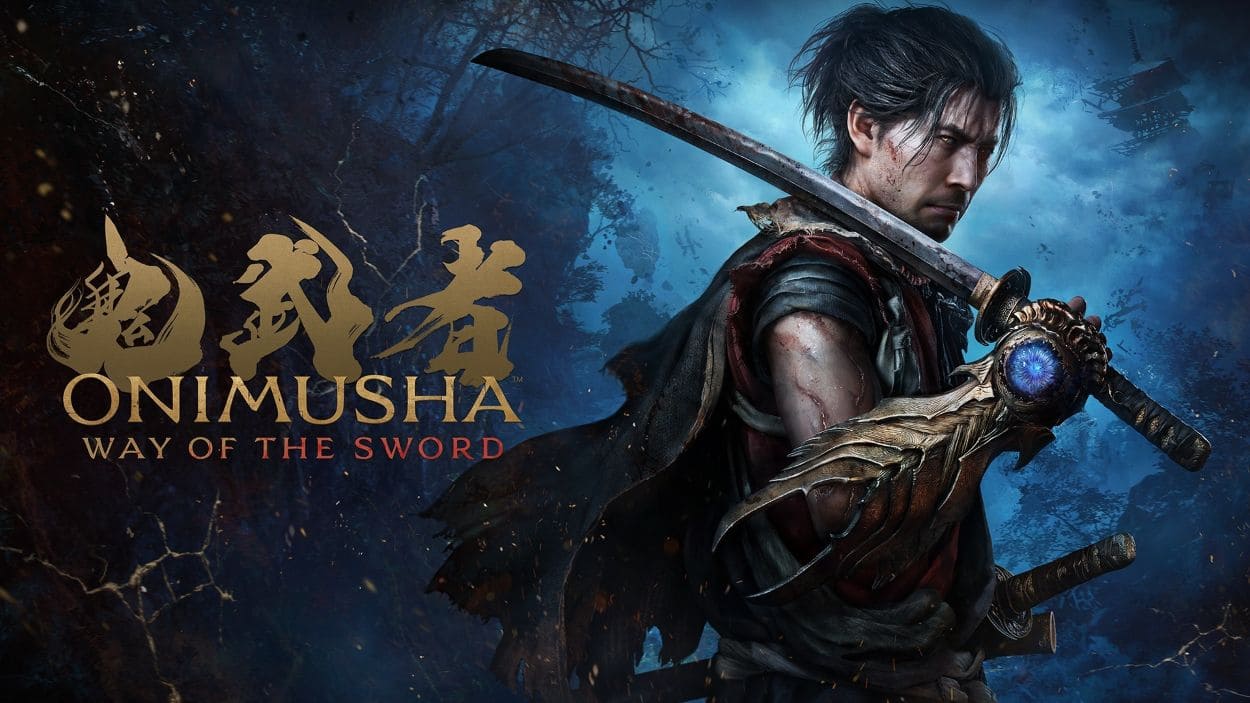
When a beloved series makes its grand return, you hope desperately for a success story. We’ve seen many game franchises rebooted with varying degrees of success. Some attempts feel like nails in the coffin. Others bring new life to a world fans love. In the case of Onimusha: Way of the Sword, I can’t remember a game series reboot that is this enjoyable, true to the source, and fulfilling all at once. Let’s dive into a review of Onimusha: Way of the Sword. We will not be exploring story spoilers in this review.
Onimusha: Way of the Sword Might Be Your First in the Series, But It’s the Perfect Starting Place
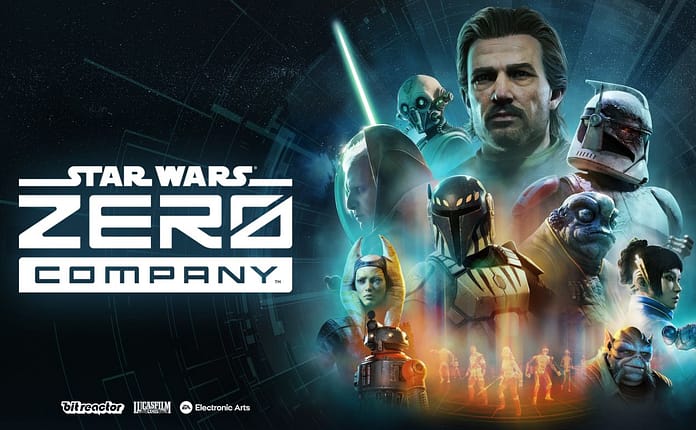
Much like the recent release of Star Wars: Zero Company and its premise to make X-COM but with the world of Star Wars, Onimusha had a similar beginning. Back in 1997, Capcom’s Yoshiki Okamoto had a simple idea that he shared in an interview. What if Resident Evil had ninjas? It’s so simple it almost feels like a throwaway pipe dream in a Reddit thread. Flash-forward to 2001, and Onimusha: Warlords launched on the PlayStation 2. Since then, player and critic response to the franchise feels dwarfed by other Capcom IP, like the aforementioned Resident Evil or Devil May Cry. Mix in the unstoppable force that is Monster Hunter and the 2026 hit Pragmata, and an Onimusha reboot could get lost in the fray.
Thanks to a memorable story, incredible combat, and gorgeous visuals, that’s not the case. If you haven’t played an Onimusha game before, I hesitate to even catch you up on any lore or information from past games. Onimusha: Way of the Sword is the perfect place to start if you’re new to the franchise. Like other properties, knowing older characters or plot points can lead to rewarding easter eggs. Going in blind, however, doesn’t dampen the experience. In the words of Okamoto-san himself, just know you’re in for a ninja adventure with nods to the Resident Evil formula.
Capcom is on a Generational Run, and Onimusha: Way of the Sword Sits Among Its Best IP
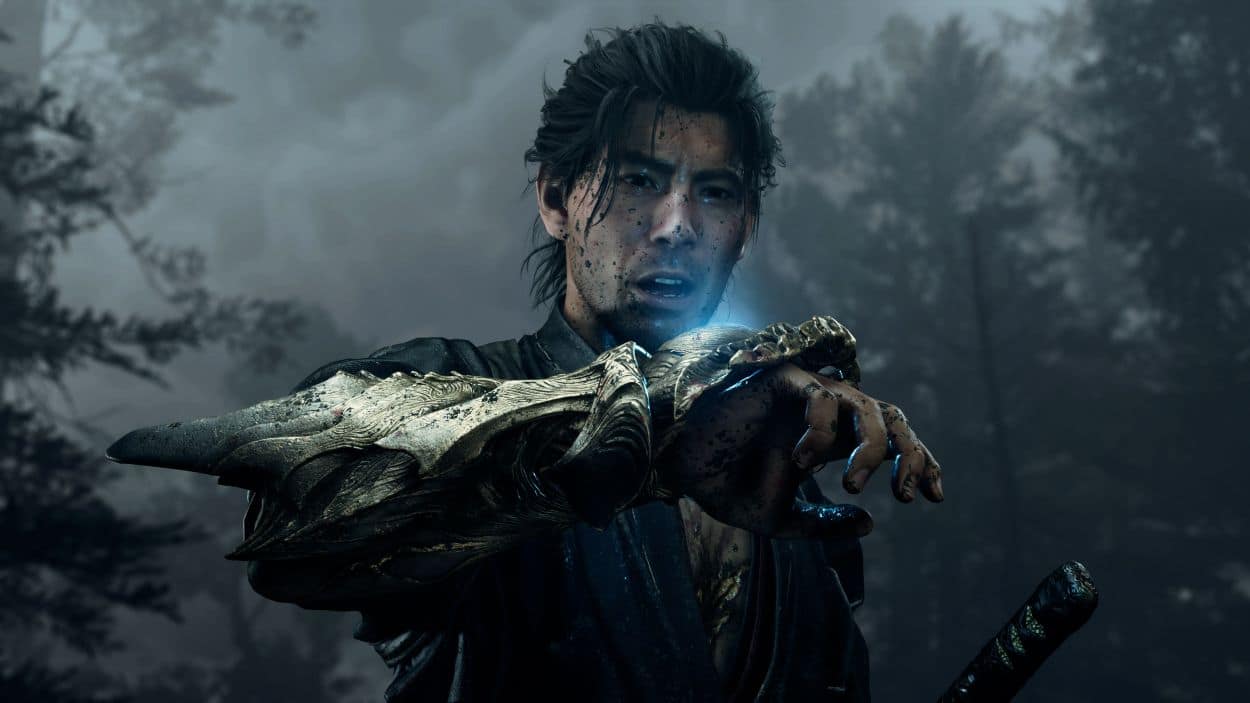
Onimusha: Way of the Sword follows Miyamoto Musashi and his journey after supernatural creatures called Genma kill him. In Hell, Musashi is equipped with an Oni Gauntlet on his arm and sent back to the mortal realm, where a voice in the gauntlet warns that if he tries to remove it, he will die. He learns that he is endowed with the power of an Onimusha, a warrior chosen to protect the gate to Hell and prevent any Genma from escaping. Throughout the game, Musashi and new allies will identify threats from the Genma and other afterworld foes and work to contain them from below.
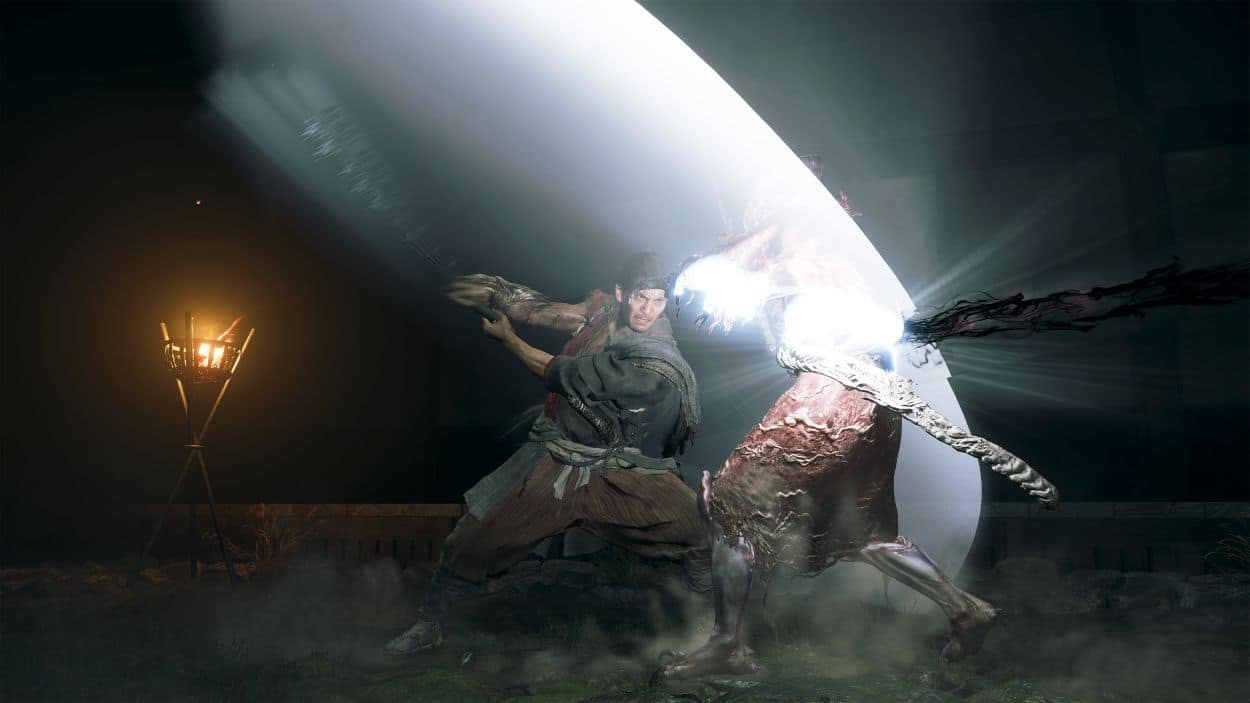
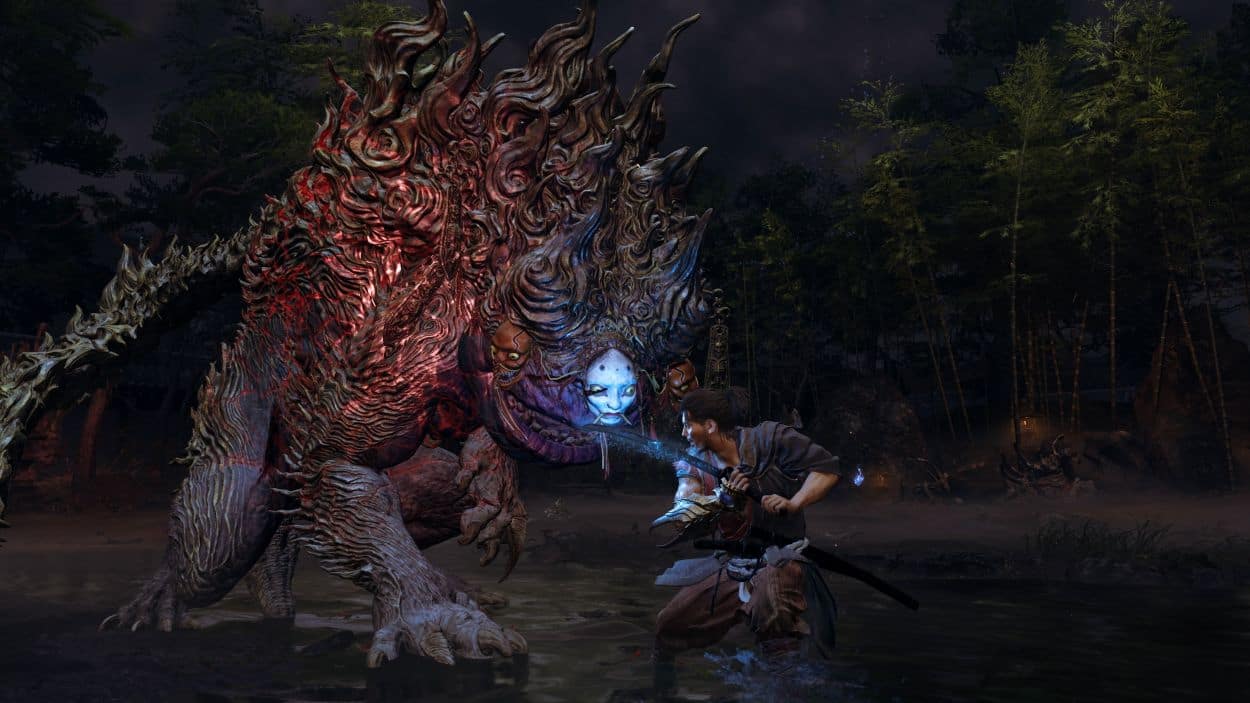
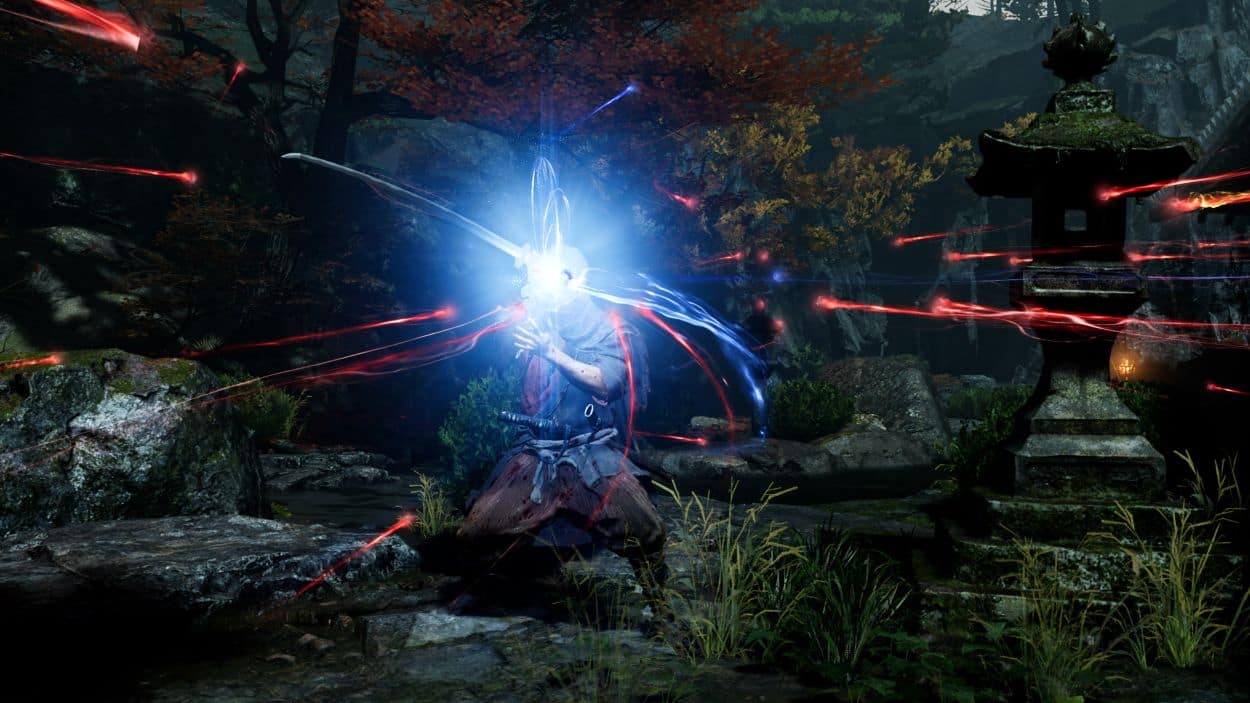
Gameplay-wise, combat is akin to a Devil May Cry action game with a heavy reliance on parries. We’re not in Soulslike territory, but a deep combat system and intelligent AI do make this game a hearty challenge. By entering guard stances, prolonging the parry action, and even stringing combos, it’s just as fun to play Onimusha as it is to watch its battles play out.
The Oni Gauntlet also lets you consume the souls of defeated enemies. Souls come in different colors that let you replenish health, buy upgrades, and use special attacks to gain the upper hand. The gauntlet also helps identify side quests and optional boss fights by recognizing enemies in the area. A healthy balance of story beats and combat encounters keeps the game moving in a really captivating way. By the time I rolled credits, I was saddened to know my time with Musashi was over, until I remembered Capcom always gives players plenty of reasons to return for additional playthroughs.
Some Enemy Designs Feel Repetitive and Reused, but Combat is Good Enough to Solve This Issue
My critiques of the game are limited. I love the progression system and combat. The parts of the game where you travel to different areas could be a bit more dynamic. Many villages and areas you explore do feel boxed in. There’s no promise of an open-world experience here, and I didn’t expect one. Still, the game does feel a bit mid-2000s in its linearity. Plenty of enemies and boss encounters, some of which you defeat multiple times. For this reason, the combat encounters get repetitive and start to feel like battles you’ve fought before. In some cases, it feels that way because you actually have.
Graphics and visuals earned no gripes from me. The game is gorgeous, and the RE Engine remains a marvel in modern game design. Capcom can’t be expected to produce what they did in 2026 every year, but it feels generational. At a time when some studios fail to put out a single project, I’ll take some linearity and enemy repetition if it means we get games like Onimusha: Way of the Sword, let alone the same year as other major releases.
Review Score
4.0/5
Onimusha: Way of the Sword is a cherry on top of Capcom’s insane run of games in 2026. For newcomers, there’s no better way to jump into this franchise. Still, it feels every bit as tailored to longtime fans as it is to newcomers. It feels inevitable that more Onimusha projects are on the way given the game’s success with critics and players. Count me in as one more person eager to see what comes next in this series.
Onimusha: Way of the Sword is available now for Nintendo Switch 2, PC, PlayStation 5, and Xbox Series X|S.
A digital review copy of Onimusha: Way of the Sword was provided by the publisher for the purposes of this review.