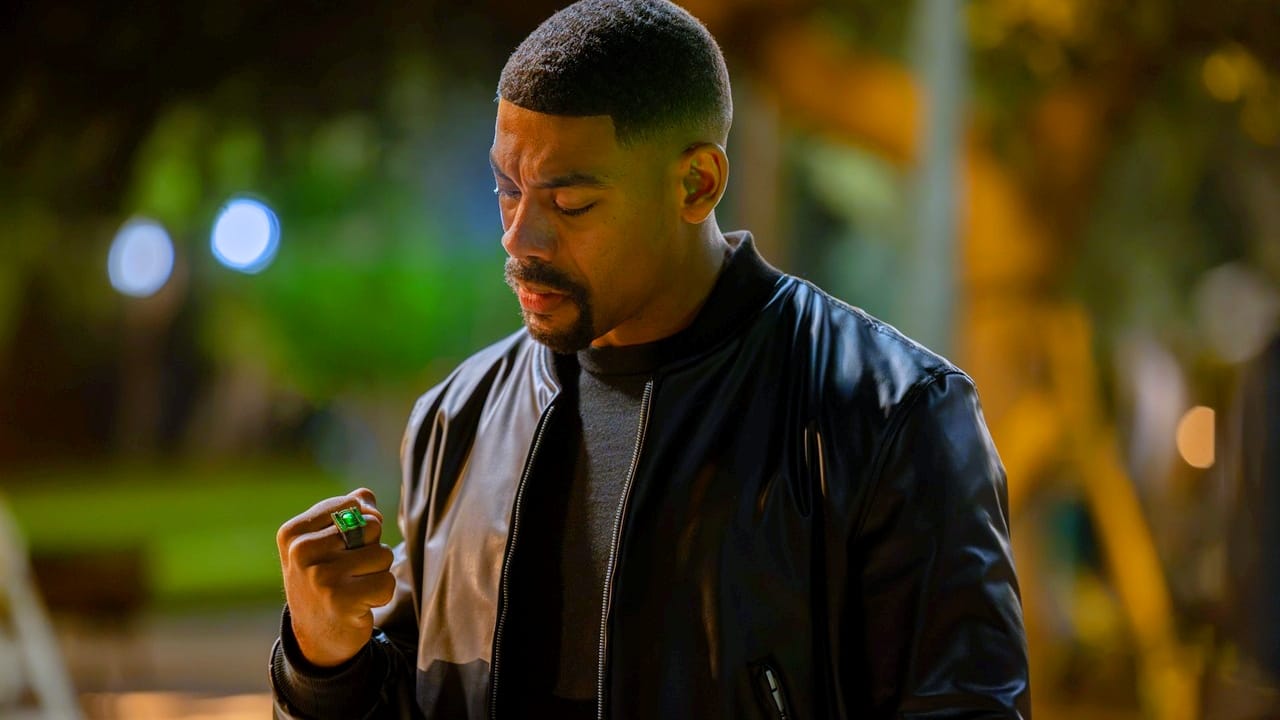
The following contains spoilers from Lanterns Season 1, Episode 8, “Dirt and Stars” which debuted on HBO and HBO Max October 4, 2026.
After just eight episodes, the Lanterns finale ends this story, possibly forever. Co-creator and showrunner Chris Mundy assembled a writers room for Season 2, but HBO has yet to renew the series. As part of the larger DC Universe, it’s unclear if James Gunn and Peter Safran intend for this story to continue at all. Yet, whether viewers were pleased or not with the Season 1 finale, “Dirt and Stars,” there’s no question that it should.
Overall, this is easily the strongest show in the nascent DCU, and perhaps equal to its best story thus far, 2026’s Superman. The one downside to Lanterns is that it seemed like a series that was slightly embarrassed to be a comic book show. On the other hand, those disappointed with this finale are likely judging Lanterns for what it wasn’t rather than what it was. Whether they theorized themselves into deep hole no story could fill or simply sad there wasn’t a traditional suit or superhero antics, we have to consider “Dirt and Stars” for the story it told and not the one we wish it might have.
The Writers Didn’t Care About What The Audience Wanted From A Lanterns Finale
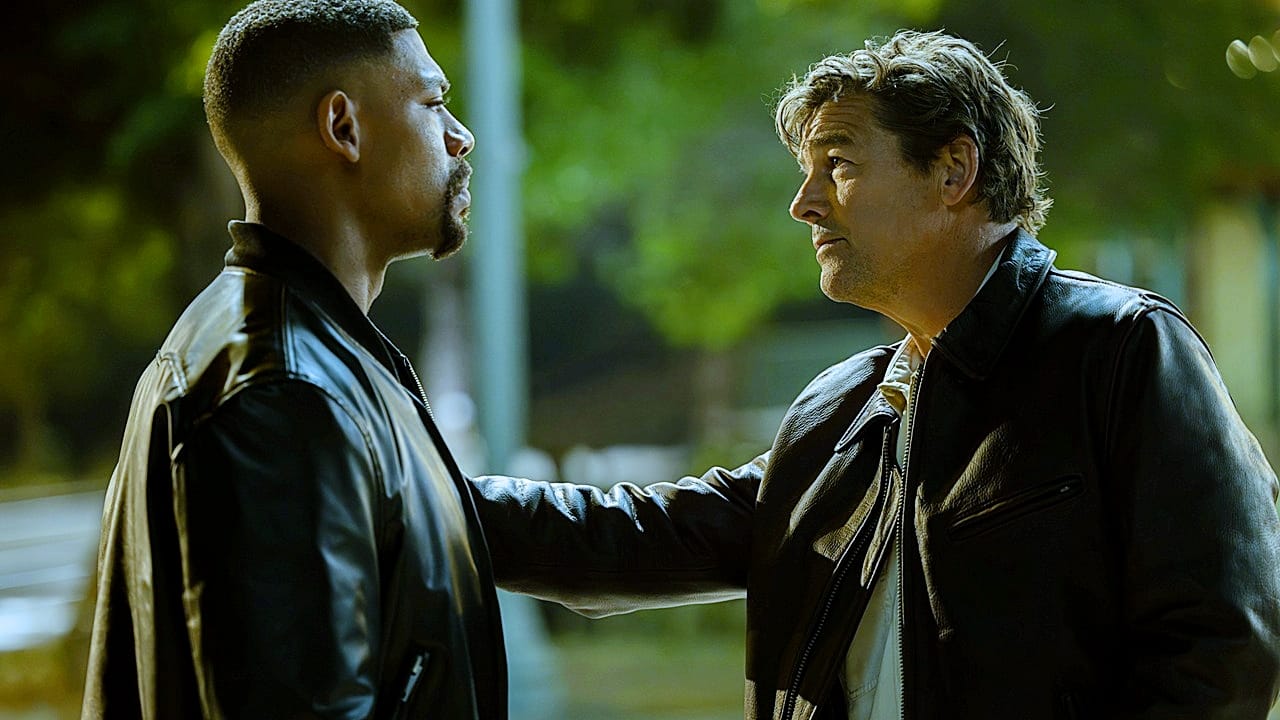
The third episode reimagined John Stewart’s origin, and it also made it clear this was his show. In the canon of the DCU, Hal Jordan served as Green Lantern of Sector 2814 for 30 years. DC Comics fans, however, never got to see him as the hero they knew from the pages of the comics. I confess, even I’m a little upset about that. Yet, the show I wanted Lanterns to be is not the show it is, and it only deserves to be judged for the latter. To that end, the finale was perfect because it completed the arc “OutKast” started. As Tom King said in the post-show featurette, “Lanterns are cops. John Stewart is a superhero.”
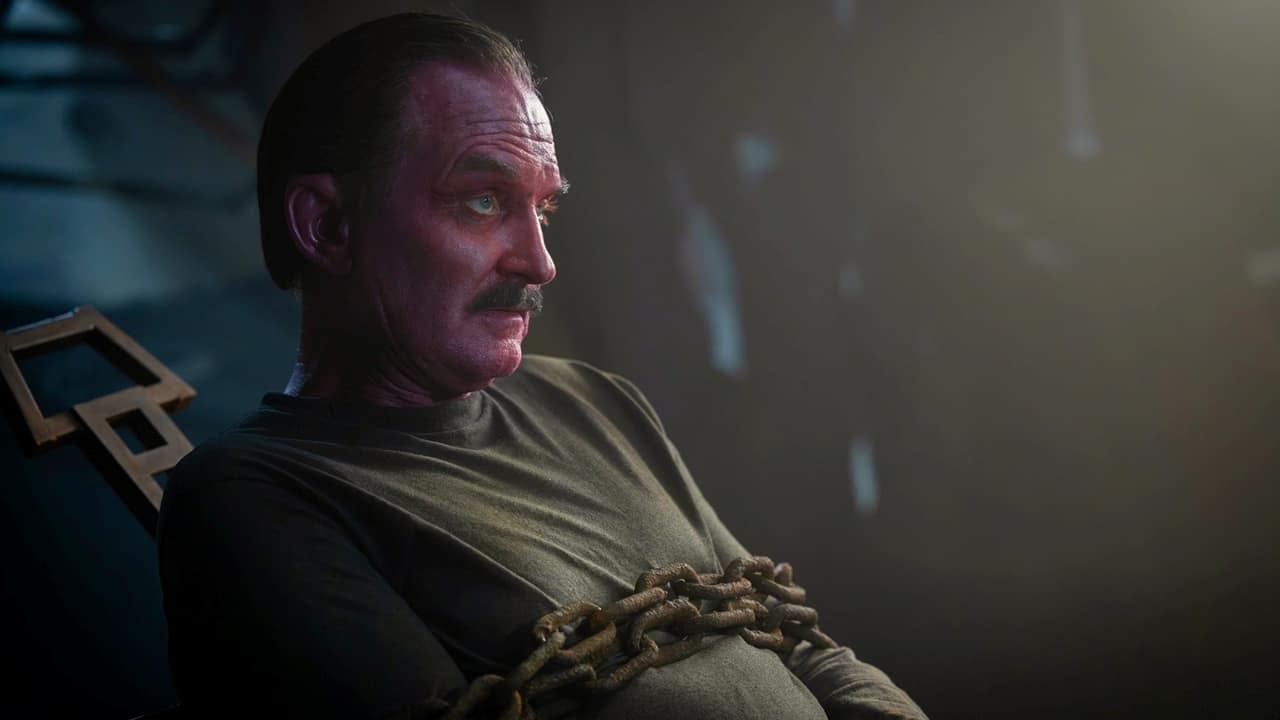
The appearance of Sinestro at the end of the penultimate episode was another misdirect. Fans expecting a superhero battle or the formation of the Yellow Lanterns were, quite deliberately, disappointed. Essentially, this piece was included in the show so both John Stewart and Guy Gardner could have lanterns and power rings despite the rule that each sector only gets one. It was the most obvious bit of setup in the series, though it does make sense, in a way. If anyone could have forged an unsanctioned lantern in order to power a retired ring, Thaal Sinestro could. Beyond this, the character’s place in the story felt like a requirement or, more accurately, an acquiescence to a group of fans who weren’t going to get anything else.
Along with John Stewart’s origin story, Lanterns was a murder mystery. Specifically, it was about who killed Hal Jordan, not the four alien schmoes the Macon militia took out in the series premiere. While the storytellers treated this like a massive twist, most keyed-in viewers (online, at least) pegged Noah as a Manhunter and Kerry Kane as the shooter long ago. This is actually a testament to the writing leading up to the Lanterns finale, because it proves the writers more than earned that ending. The surprise, however, was Kane’s guilt in the immediate aftermath. Jordan’s death was enough to make both her and Noah give up on the things they fought so hard to protect.
The End Of Lanterns Wasn’t Meant To Be ‘Satisfying’ In The Traditional Sense
As the final chapter in, as co-creator Damon Lindelof promised, “a complete story,” the Lanterns finale was able to satisfy its narrative requirements. It completed John’s journey to become who he was meant to be. It delivered resolutions to the conflicts driving the narrative, from the murder to more personal matters. And, through that final scene with John Stewart and the Halogram, paid off “the Jordan boys’ legacy” the previous episode introduced. The series was a painstaking exploration of how John becomes a hero, and how Hal Jordan didn’t stop being one on his worst day. It was a mature, emotional story that loved its characters enough to make them human, flaws and all. It is beautiful and a sign that comic book adaptations have only just begun to explore their full potential as a vehicle for adult drama.
Yet, those of us who grew up with Green Lantern comics and looking for a more hopeful, happily-ever-after kind of ending? “Dirt and Stars” leaves those desires intentionally unsatisfied. Perhaps the show didn’t have the budget for an epic ring battle or something similar. But even if they had, it would have felt shoehorned into a story that didn’t need it. In fact, even if a second season comes along, the deal John struck with Guy Gardner promises a dirt-based story. That is to say, “grounded.” Battles between monsters and aliens with constructs flying everywhere is left to the movies.
Critics of the cinematic superhero arena call that sort of action artless or, in one famous case, “roller coaster” rides. In truth, those climactic battle royale scenes are usually unsatisfying or, at least, emptier of meaning than they should be. What makes Lanterns so unique is that the superhero part of the story was almost tertiary. The relationship these characters have with power and heroism was the important part. For some viewers it wasn’t enough, but that’s not the fault of the series. In this respect, Lanterns was a moving, meticulous study of these characters unlike any adaptation before it. If the DCU overall delivers quality superhero moments in Man of Tomorrow, Lanterns Season 2, or some other project, even disappointed fans will appreciate it more.
How Lanterns Treated Hal Jordan Remains Controversial

Because anything is possible when space magic is involved, many viewers remained convinced that Hal Jordan would come back from the dead. In fact, Sinestro even claimed to be able to resurrect Hal “for real” when trying to convince John Stewart to team up with him to kill Noah. When weighing the promises of villains in sci-fi and fantasy, fans often take their words at face value instead of with skepticism. It’s almost certain that Sinestro was lying to save his pink skin. (It’s also an open door to do it in Season 2.) Yet, there’s another thing he said that I personally hope was a lie (or, at least, something future DCU stories retcon).
The introduction of the Halogram was a brilliant DC canon change, if only because that allowed fans to have John Stewart as Green Lantern and Hal Jordan, too. However, Lindelof and co-creator Chris Mundy wanted the loss of Hal Jordan to be painful and, thus, complete. Apparently, when John charged the ring for the first time, it erases the backed up consciousness of its former owner. As an emotional beat, this makes sense. Narratively? Not so much. Upon death, a Green Lantern’s ring immediately finds their replacement. If their backed-up consciousness gets erased when they first charge up the ring, what is the point of it in the first place? Instead of forcing some superhero magic, deleting the Halogram sacrifices the sci-fi logic the show built up to force an emotional beat.
Hal Jordan deserved better than that, both as a general character and this specific iteration as realized by Kyle Chandler. There is great emotional value if John believes claiming the ring erases his mentor forever. Which is why the Halogram’s persistence beyond that moment would bring both kinds of satisfaction. The idea of the older mentor dying so the young hero can come into their own is as old as the archetypal journey itself. But the partnership that Lanterns created between Hal and John is the show’s best asset and reason for existing in the first place. Making the audience feel the loss of a beloved character is a valid and, arguably, necessary storytelling choice. Yet, it’s not just the fan in me that thinks it might not have been the best one. Thankfully, anything is possible in a comic book world. Bringing back Halogram splits the difference with respect to resurrection, and it maintains the most wholesome relationship across the entire series.
Rating: 4.4/5
The complete first season of Lanterns is streaming on HBO Max.


