

They’re not all villains. Some are survivors, some are monsters, and some are people we’d rather not recognize ourselves in. From Annie Wilkes and Pennywise to Hannibal Lecter and American Horror Story, the most unsettling characters know exactly which parts of being human to exploit.
Everybody loves a good horror villain. They’re evil. We’re not. Someone gets stabbed, someone screams, and we get to turn off the television feeling reasonably confident that we’re better people than whoever just committed six felonies with a kitchen knife. It’s a comforting arrangement. Until the villain starts making sense. Not the murder. Not the elaborate revenge plot. Not whatever Hannibal Lecter considers an acceptable dinner party.
The feeling underneath it. Jealousy. Humiliation. Loneliness. The desperate need to be loved, admired, believed, or simply left the hell alone. And then there are the monsters who don’t need our sympathy. They just need to understand us well enough to know exactly where to hurt. Pennywise doesn’t need to be relatable. It needs to know what frightens you. Annie Wilkes doesn’t need Paul Sheldon to love her back. She needs him to understand that, as his number-one fan, she believes she’s entitled to decide what happens to his characters. Which is quite an escalation from leaving a negative review.
Of course, not everyone on this list is a villain. Some are survivors. Some are ordinary people whose worst impulses become dangerous. Others are frightening because they expose something ugly about the people around them. And a few are genuinely terrible human beings who happen to be entertaining enough that we temporarily forget the terrible-human-being part. Looking at you, Hannibal. Horror has always been interested in what people fear. The best psychological thrillers take that question further by asking what people are willing to do about it—and who benefits when fear becomes something another person can control. That’s where the monsters get interesting. So, for Halloween, these are 16 characters who deserve another look. Not because they’re equally evil, equally sympathetic, or even equally frightening. Because they remind us that understanding a monster and recognizing something human aren’t always the same thing.
Annie Wilkes — Misery (1990): When Loving Something Becomes Owning It
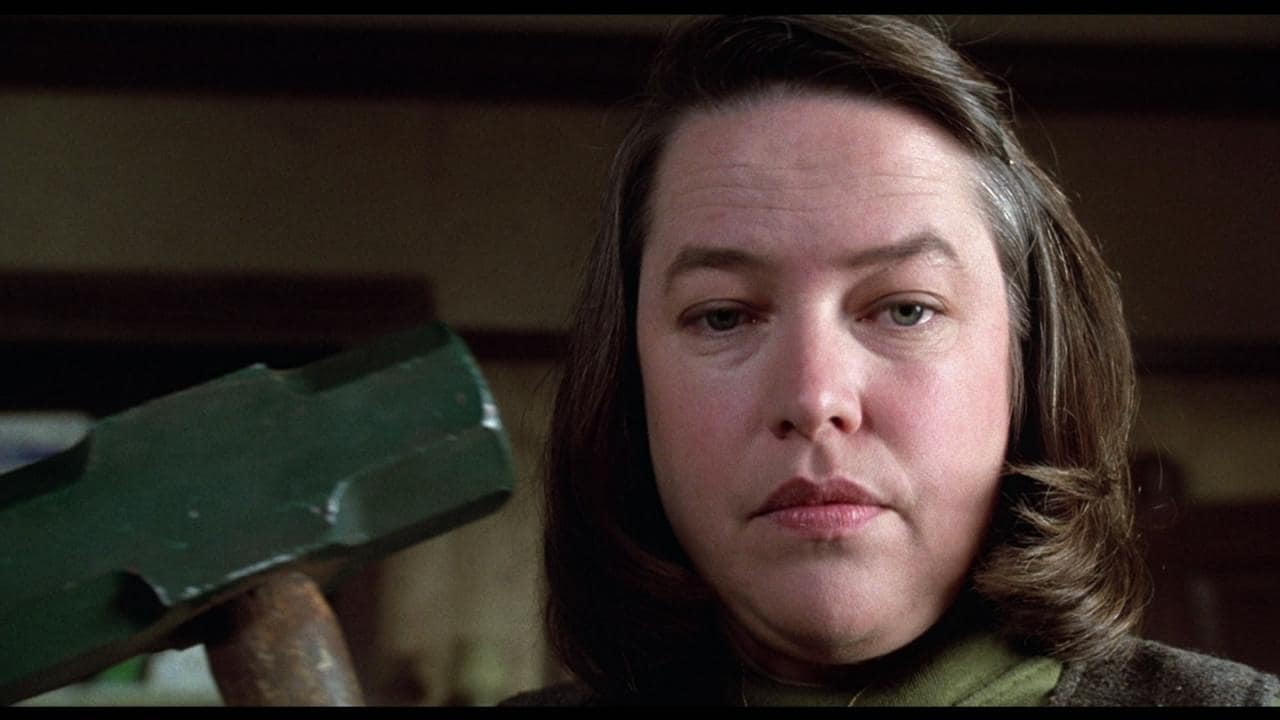
Kathy Bates as Annie Wilkes in Misery (1990). Columbia Pictures.
Annie Wilkes is your number-one fan. Congratulations. Your life is over. In Rob Reiner’s adaptation of Stephen King’s Misery, Annie rescues bestselling novelist Paul Sheldon after a car accident, nurses him back to health, and appears delighted to have her favorite author staying in her home. Then she discovers he’s killed off her favorite fictional character. And suddenly, Paul’s recovery becomes a hostage situation with editorial notes.
Kathy Bates is terrifying because Annie doesn’t see herself as a villain. She believes she’s protecting something precious from the person who created it. Paul wrote Misery Chastain. But Annie loves Misery Chastain. And apparently, that means she gets custody. There’s a particularly uncomfortable argument here for anyone who participates in modern fandom. Audiences become emotionally invested in stories. We form attachments to characters. We develop expectations about endings, relationships, and what creators owe us. Most of us respond to disappointment by complaining online. Annie has other methods.
The horror isn’t that she’s passionate about fiction. It’s that she’s transformed her passion into a belief that another human being no longer has the right to make decisions about his own work. King’s official film page describes how Annie’s rescue of Paul turns into imprisonment and forced authorship. Annie isn’t an indictment of fandom. She’s what happens when admiration loses all respect for the person being admired. And if she had access to social media, I suspect the block button would be insufficient.
Pennywise — It (2017): The Monster Is Bad. Derry Might Be Worse.
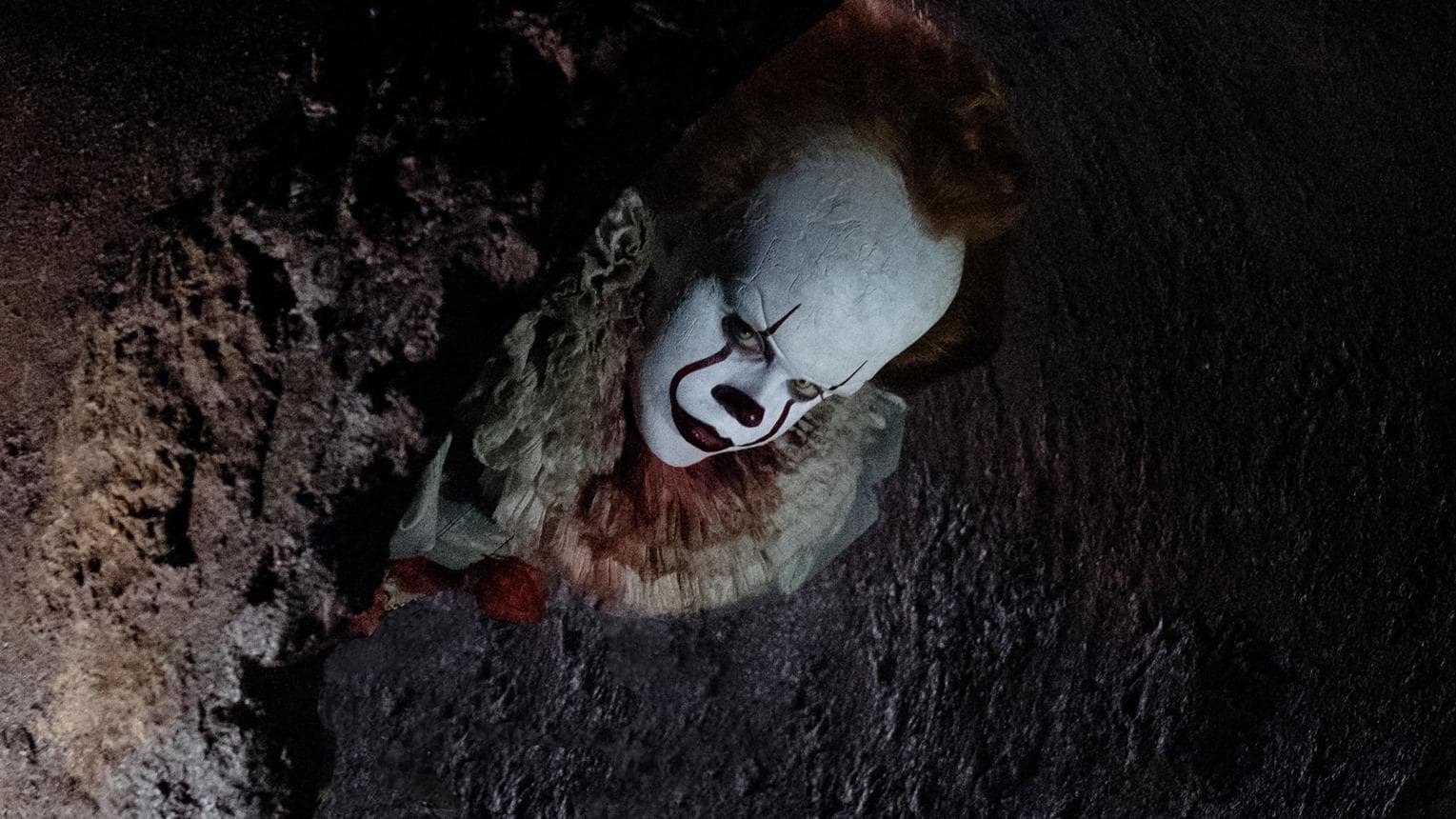
Bill Skarsgård as Pennywise in It (2017). Warner Bros. Pictures / New Line Cinema.
Pennywise is a shape-shifting, child-eating entity that frequently presents itself as a clown. Which already feels like an unnecessary amount of information for a single sentence. But the most disturbing thing about Pennywise isn’t the makeup, the teeth, or the red balloons. It’s how well the creature understands its victims. Pennywise doesn’t simply frighten children. It studies them. It identifies what makes them vulnerable and turns those vulnerabilities into weapons.
For Beverly Marsh, fear is tangled up with abuse and shame. For Eddie Kaspbrak, it’s illness and the constant expectation of danger. For Bill Denbrough, it’s guilt over his brother’s disappearance. The monster changes its appearance because the fear was already there. And then there’s Derry. Stephen King’s fictional town has an extraordinary capacity for ignoring the suffering of its children. Bullying, abuse, cruelty, and disappearances become part of the background noise of everyday life.
The adults don’t all have to be secretly evil. They just have to keep looking away. King’s official novel page details the recurring murders and the Losers Club’s return to confront the creature. The book was published in September 1986, making 2026 its 40th anniversary. Pennywise is a supernatural predator. But the environment that allows it to thrive is uncomfortably human. The clown is terrifying. The town full of adults who keep finding reasons not to notice the missing children might be worse.
Hannibal Lecter — The Silence of the Lambs (1991): Why Do We Enjoy His Company?
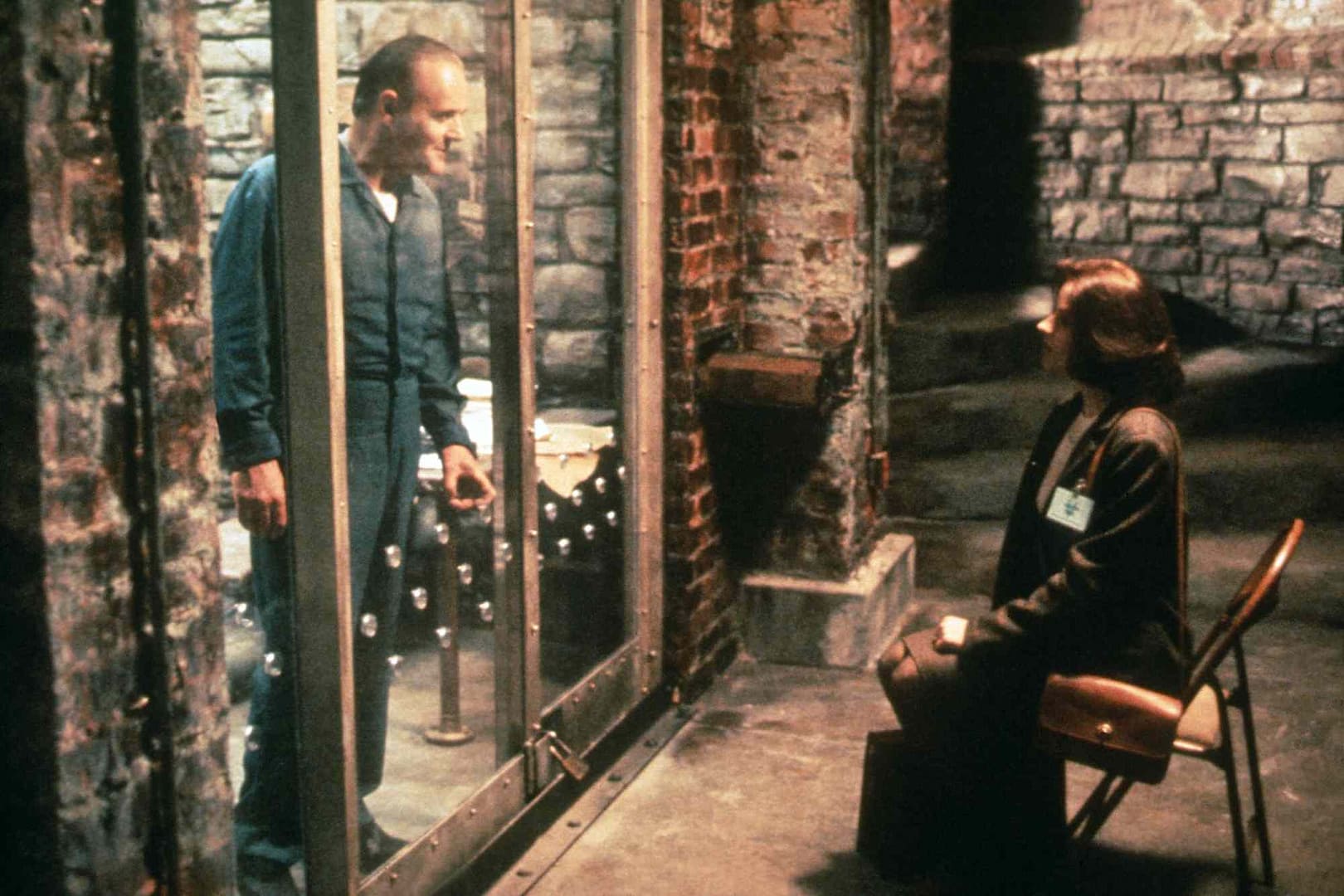
Hannibal Lecter is intelligent, sophisticated, impeccably mannered, and an excellent conversationalist. Unfortunately, we do need to discuss the cannibalism. Anthony Hopkins makes Hannibal fascinating because his appeal becomes part of the horror. He’s observant, articulate, and extraordinarily attentive to the people who interest him. Particularly Clarice Starling. Hannibal recognizes Clarice’s intelligence and ambition, but he also recognizes her vulnerabilities. He knows how to ask a question that feels like a compliment until it becomes an interrogation.
And we enjoy watching him do it. That’s the trap. The film encourages us to appreciate Hannibal’s wit, intelligence, and apparent sophistication, even as it repeatedly reminds us that he’s an extraordinarily dangerous man. He can appear more respectful toward Clarice than some of the supposedly respectable men she encounters. That doesn’t make him good. It makes the distinction between manners and morality considerably harder to ignore. The official MGM trailer introduces the film’s central contradiction: an FBI trainee must seek assistance from an incarcerated cannibal to catch another serial killer. Hannibal isn’t frightening because we secretly want to become him. He’s frightening because the movie makes us enjoy his company. And for a moment, we forget why we shouldn’t.
Amy Dunne — Gone Girl (2014): Being Right About Something Doesn’t Make You Innocent
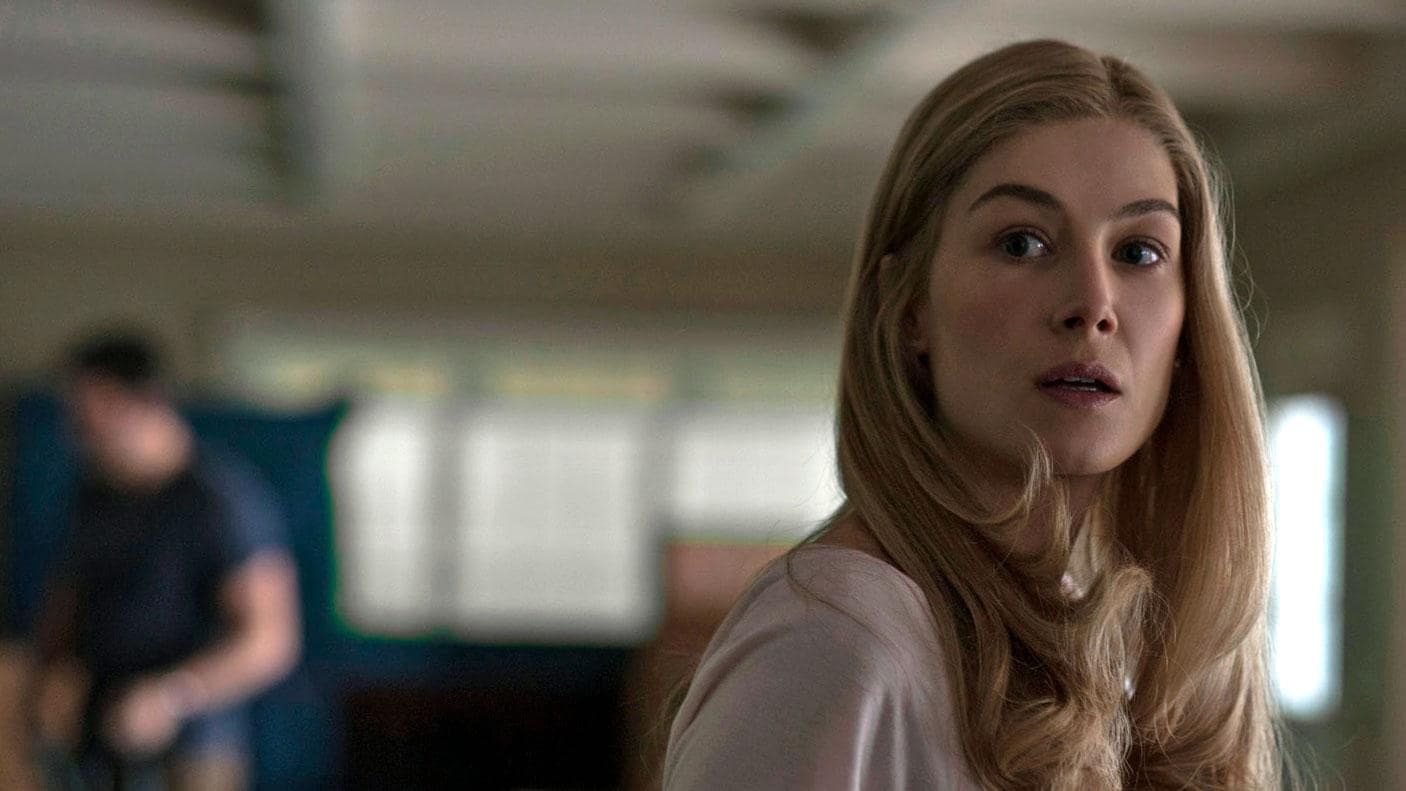
Amy Dunne is an absolute nightmare. She’s also one of the most fascinating women in modern psychological thrillers because Gone Girl makes it possible to understand her resentment without asking us to excuse what she does with it. Amy is furious about the expectations placed on women, particularly the expectation that a woman should become whatever version of herself makes a man most comfortable. Beautiful without trying. Intelligent without intimidating anyone. Interesting without becoming inconvenient.
Essentially, a woman who doesn’t actually exist. The problem is that Amy decides the appropriate response to this injustice is to become a criminal mastermind. Rosamund Pike plays her with an almost unnerving precision. Amy understands how people interpret female behavior, and she knows exactly how to manipulate those expectations. But her most recognizable observation is also her most dangerous excuse. She’s right that women are frequently expected to perform impossible versions of themselves. She’s wrong to treat that as permission to destroy another person’s life.
That’s what makes Amy more interesting than a conventional femme fatale. The audience can recognize the truth in her criticism while rejecting virtually everything she does about it. And frankly, that seems like the appropriate response.
Kai Anderson — American Horror Story: Cult (2017): Fear Is a Recruitment Strategy

There are plenty of monsters in American Horror Story. Evan Peters has played several of them. But Kai Anderson might be the most uncomfortable because he doesn’t need supernatural powers, a haunted house, or an elaborate family curse to become one. He just needs people who are angry. Kai recognizes that frightened, frustrated people are easier to manipulate when someone gives their resentment a name and promises to do something about it. His followers don’t all begin as monsters. Some are lonely, feel powerless, or maybe they just want to belong to something that makes them feel important. Kai understands that wanting to belong can be more powerful than wanting to be right, and he’s perfectly happy to exploit it.
Peters plays him with calculated charisma and barely contained instability. Kai doesn’t present himself as the villain. He presents himself as the only person brave enough to say what everyone else is supposedly thinking. Which is usually a very bad sign. The frightening thing about Kai isn’t that he’s particularly persuasive to everyone. It’s that he understands exactly which people are waiting for someone like him.
Lisbeth Salander — The Girl with the Dragon Tattoo (2011): The Victim Who Refuses to Be Agreeable
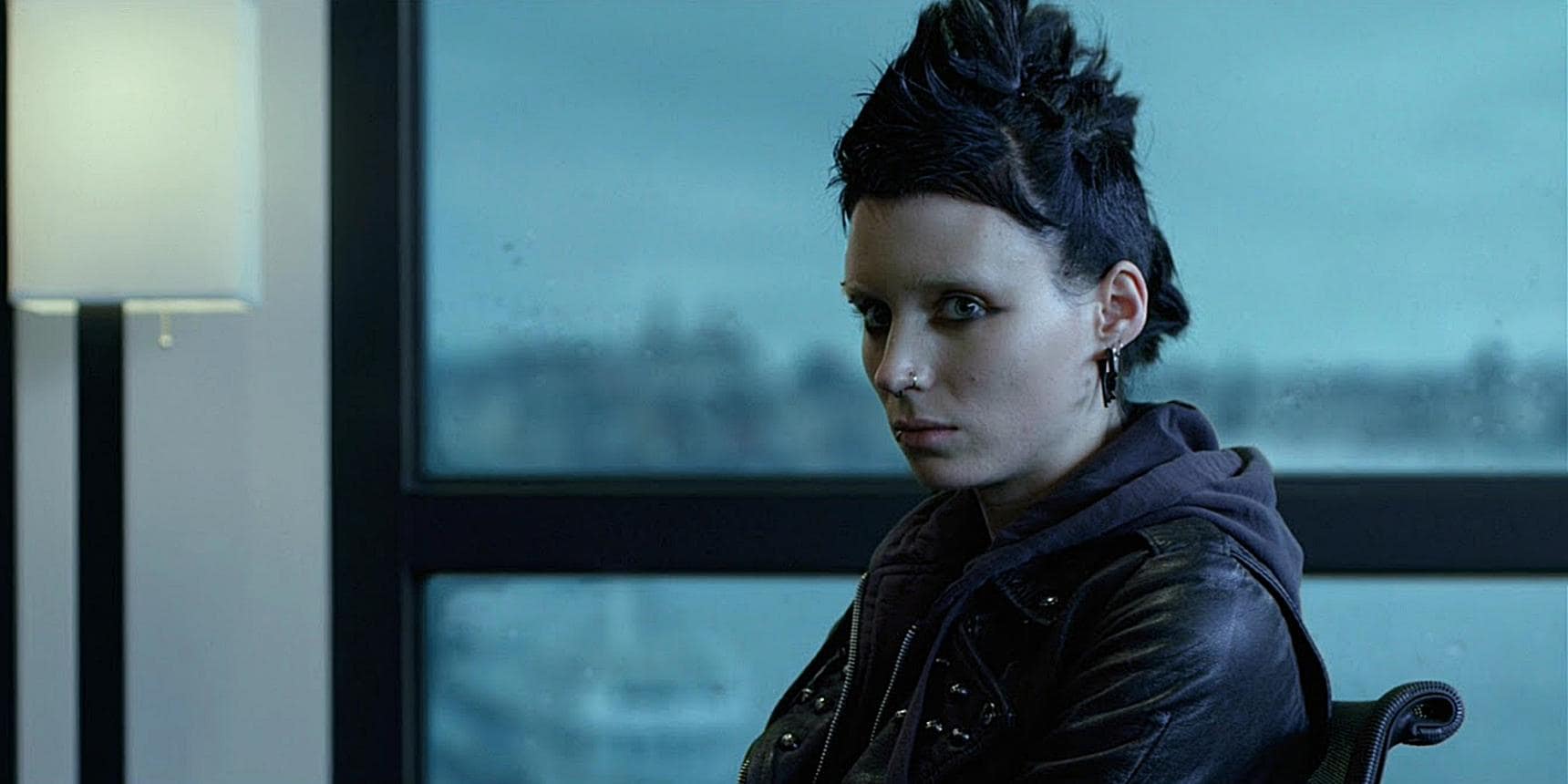
Rooney Mara as Lisbeth Salander in David Fincher’s The Girl with the Dragon Tattoo (2011). Columbia Pictures / MGM.
Lisbeth Salander is not interested in making anyone comfortable. And considering how many people have spent her life treating her as something to control, that’s probably understandable. In David Fincher’s 2011 adaptation, Rooney Mara plays Lisbeth as someone whose intelligence, independence, and refusal to perform conventional femininity are frequently treated as evidence that there’s something wrong with her. The film makes it increasingly clear that the institutions supposedly responsible for protecting her have done considerably more damage than her appearance or behavior ever could.
Lisbeth doesn’t respond to abuse by becoming the sort of sympathetic survivor audiences are accustomed to supporting. She’s difficult, guarded, and capable of extreme retaliation. And she’s not particularly interested in explaining herself. What makes her uncomfortable isn’t that she’s secretly the villain. It’s that she’s a victim who refuses to behave the way people expect victims to behave. There’s a tendency to prefer survivors who are gracious, forgiving, and sufficiently traumatized to remain sympathetic without becoming inconvenient. Lisbeth is having absolutely none of that.
Sony’s official film page identifies Mara as Lisbeth and places the investigation against a history of murder and sexual abuse. The uncomfortable question isn’t whether Lisbeth is likable. It’s why so many people seem to consider likability a requirement for being believed.
Lou Bloom — Nightcrawler (2014): The Monster Who’d Ace a Job Interview

Jake Gyllenhaal as Lou Bloom in Nightcrawler (2014). Open Road Films.
Lou Bloom is ambitious. He’s motivated. He’s resourceful. He takes initiative. He’s constantly looking for ways to improve his professional performance. He’s also one of the most repulsive people in modern cinema. The uncomfortable thing about Nightcrawler is that Lou doesn’t sound particularly unusual when he talks about his career. He sounds like someone who has memorized every terrible business seminar ever delivered. Jake Gyllenhaal plays him as a man who has absorbed the language of professional success without developing any understanding of the ethical responsibilities that should accompany it. Lou doesn’t see a tragedy. He sees content and opportunities, not vulnerable people. And the more successful he becomes, the less reason he has to question himself.
But Nightcrawler isn’t simply about a sociopath with a camera. It’s about an industry willing to reward him because the results are profitable. Television news producer Nina Romina doesn’t need Lou to be ethical. She needs footage that will keep viewers watching. Which makes the relationship between them particularly disturbing. Lou is behaving exactly as badly as the system allows, and the system seems remarkably pleased with the results. His methods are monstrous, but his professional vocabulary is completely ordinary. The scariest thing about Lou Bloom might be how well he’d perform in a corporate interview.
Misty Quigley — Yellowjackets (2021–): Being Needed Is Her Love Language. Unfortunately.
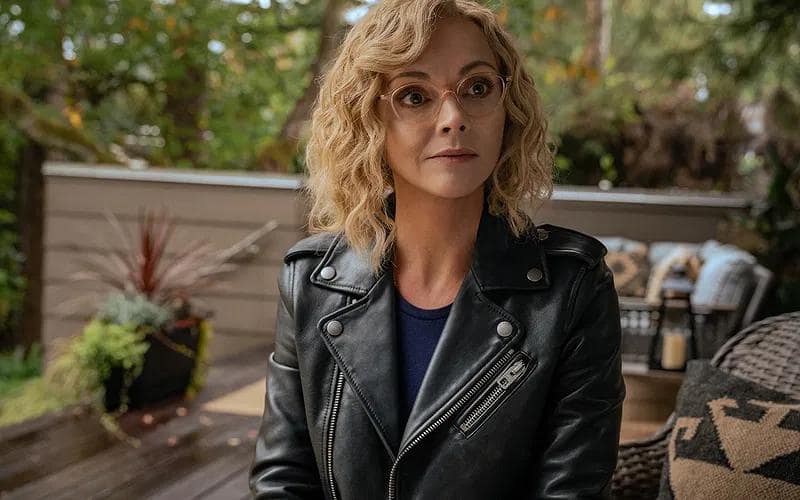
Christina Ricci as adult Misty Quigley in Yellowjackets. Showtime / Paramount.
Misty Quigley wants to be your friend. Which is lovely, provided you’re comfortable with the possibility that she might poison you, kidnap someone on your behalf, or make a few executive decisions about your survival without consulting you first. Misty’s greatest desire isn’t power or wealth. She wants to matter. As a teenager stranded in the wilderness with her soccer team, Misty discovers something she’s apparently never experienced before: people need her. She’s useful. She’s knowledgeable. She knows how to take care of people. And suddenly, the girl nobody particularly wanted around has become indispensable. The problem is that Misty likes this arrangement a little too much.
Played by Sammi Hanratty as a teenager and Christina Ricci as an adult, Misty is both deeply unsettling and frequently hilarious. Her enthusiasm is genuine, but so is her willingness to manipulate circumstances to keep herself necessary. Her decision to destroy the plane’s emergency transmitter is one of the series’ most revealing moments. The possibility of rescue threatens the one thing Misty has finally acquired: importance. And she’s willing to jeopardize everyone else’s future to preserve it. That’s considerably more frightening than a character who simply enjoys hurting people.
Misty can be genuinely helpful. She can also manufacture the circumstances that make her help necessary. And if we’re being completely fair, she does occasionally have excellent ideas. That’s part of the problem. Wanting to be needed is human. Making sure nobody can survive without you is something else entirely.
Pearl — Pearl (2022): What If You’re Not Destined for Greatness?
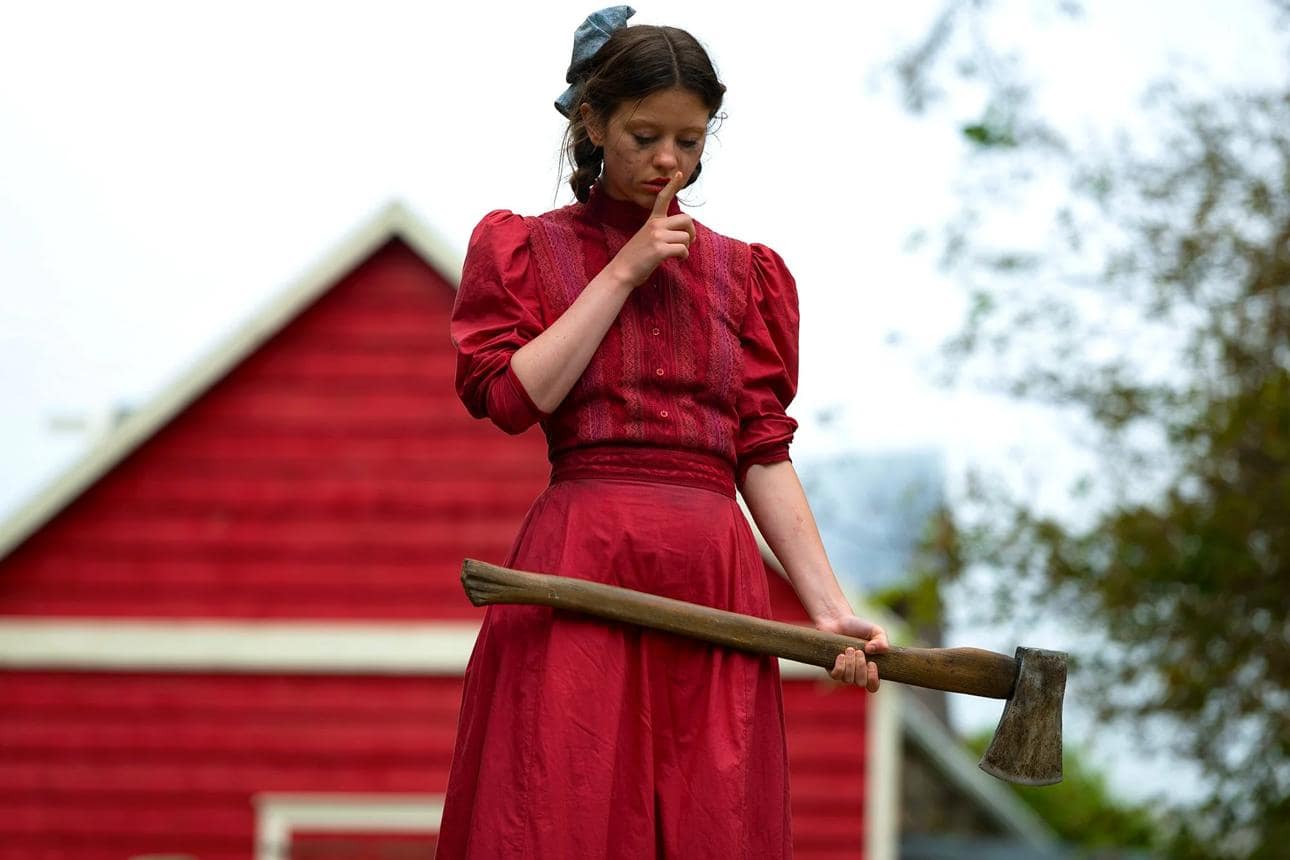
Mia Goth as Pearl in Ti West’s Pearl (2022). A24.
Pearl wants to be a star. She wants attention, romance, to escape her miserable circumstances and become the extraordinary person she’s convinced she’s supposed to be. Instead, she’s stuck on a farm, caring for her father, fighting with her mother, and watching the possibility of a different life drift further away. There’s something genuinely sad about Pearl. Until, of course, she starts killing people. Mia Goth’s performance works because Pearl’s emotional desperation never feels entirely disconnected from reality. She isn’t simply an eccentric murderer who happens to enjoy dancing. She’s someone who cannot tolerate the possibility that she might be ordinary. And that’s a much more interesting fear.
We’re constantly encouraged to believe we’re destined for something exceptional. We’re supposed to pursue our dreams, reject limitations, and never settle for a life that doesn’t fulfill us. Pearl has absorbed that message. Unfortunately, she’s also decided that anyone standing between her and the life she deserves is personally responsible for her unhappiness. Her audition becomes particularly revealing. Pearl isn’t merely hoping for an opportunity. She’s counting on being chosen as proof that everything she’s believed about herself is true. When the answer isn’t what she wants, disappointment becomes unbearable.
A24’s official film page describes Pearl’s desire for a glamorous life and the collision between her ambitions and the repression of her isolated existence. Her ambition isn’t what makes her monstrous. Her entitlement is. And Goth’s extraordinary ability to shift between vulnerability and menace means the audience can feel sorry for Pearl and fear her in the same scene.
David Mills — Se7en (1995): Righteous Anger Is Still Dangerous
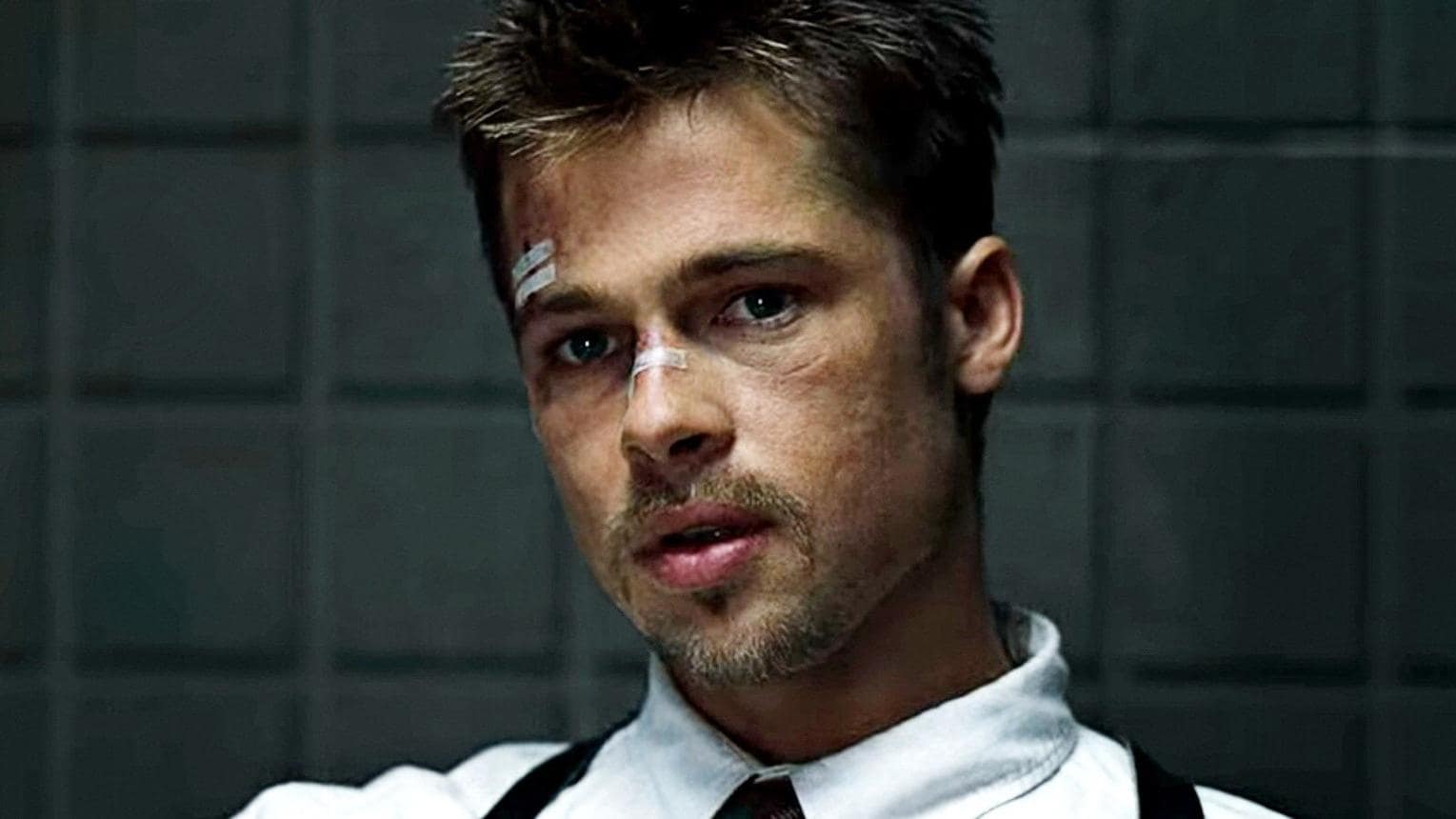
Brad Pitt as Detective David Mills in Se7en (1995). New Line Cinema.
David Mills isn’t a villain. He’s a young detective trying to do his job in a city that seems determined to demonstrate just how awful human beings can be. He’s impatient, idealistic, occasionally arrogant, and prone to letting his emotions get the better of him. In other words, he’s human. Brad Pitt’s Mills is particularly interesting because his anger is frequently justified. He’s surrounded by brutality, corruption, and suffering, and he refuses to become as detached as his more experienced partner, William Somerset. That should be admirable. And for much of the film, it is.
But Se7en understands something uncomfortable about righteous anger: being justified doesn’t necessarily make it safe. Mills believes there are lines decent people shouldn’t cross. John Doe understands that conviction well enough to exploit it. The film’s devastating final act works because audiences don’t suddenly stop understanding Mills. They understand him completely. And that’s what makes the outcome so horrible.
John Doe doesn’t need Mills to agree with his philosophy. He needs Mills to react exactly as he expects. It’s a reminder that anger can be both understandable and exploitable—and that a person can be morally right about the injustice in front of them while still being manipulated into doing something irreversible.
Lana Winters — American Horror Story: Asylum (2012–2013): Survival Doesn’t Make You a Saint
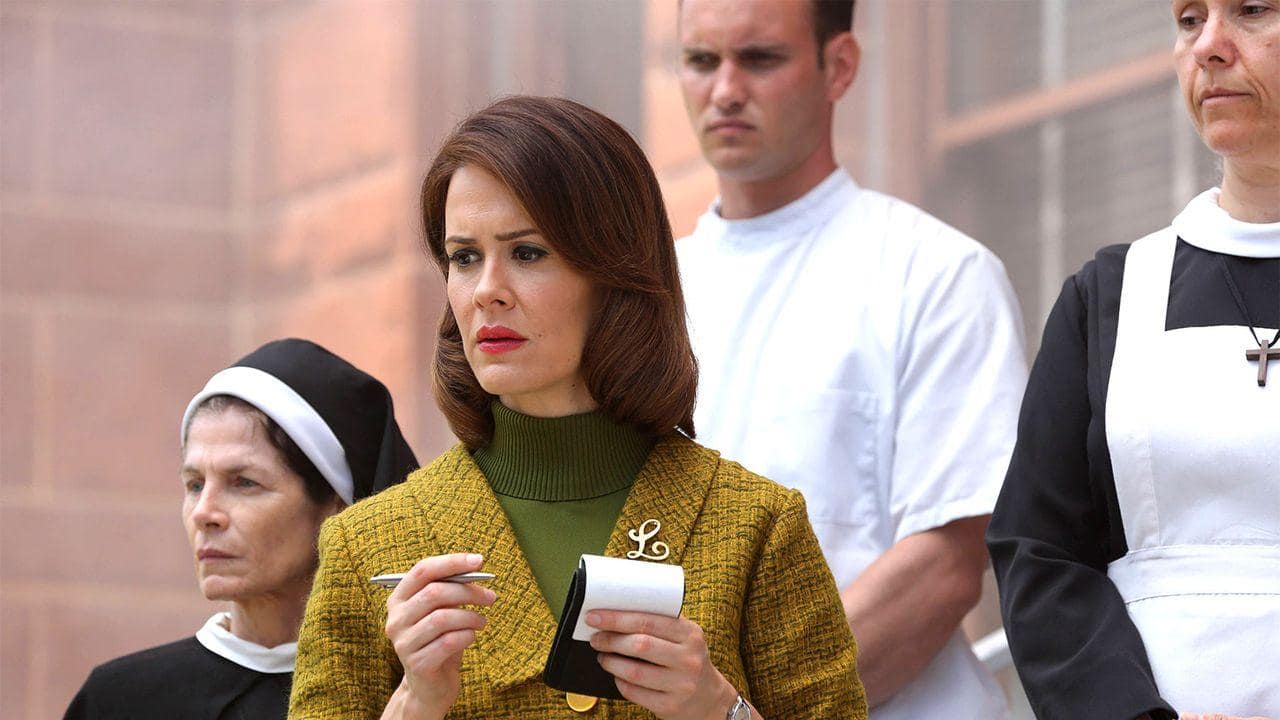
Sarah Paulson as Lana Winters in American Horror Story: Asylum. FX.
Lana Winters makes the mistake of being a woman who wants something. Specifically, she wants to be taken seriously as a journalist. Unfortunately, she’s living in a world where an ambitious woman is already considered suspicious, and a lesbian woman who refuses to stay quiet is considered an even greater inconvenience, and then Lana enters Briarcliff Manor looking for a story, clearly a great idea.
What happens next makes getting the story considerably less important than getting out alive. Sarah Paulson gives Lana a determination that never feels particularly interested in being likable. She’s stubborn, ambitious, and unwilling to accept the authority of people who have done absolutely nothing to deserve it. Her survival is extraordinary.
But Asylum doesn’t simply allow her to emerge from her experiences as a permanently grateful victim. Lana still wants success. She still wants recognition. And her relationship with the story that made her famous becomes complicated in ways that are considerably more interesting than a conventional triumph-over-adversity narrative. The series doesn’t ask audiences to pretend her later ambition is uncomplicated. It asks whether that ambition somehow invalidates what she endured.
FX’s official Asylum episode guide documents Lana’s journey through Briarcliff and her role in its eventual exposure. We expect survivors to become better people. More compassionate, forgiving, and appreciative of life. As though surviving something terrible should obligate someone to develop an inspirational personality. Lana doesn’t owe anybody that. Surviving horror doesn’t mean someone has to stop being ambitious, complicated, or occasionally selfish.
Dani Ardor — Midsommar (2019): Being Understood Isn’t Always Being Loved
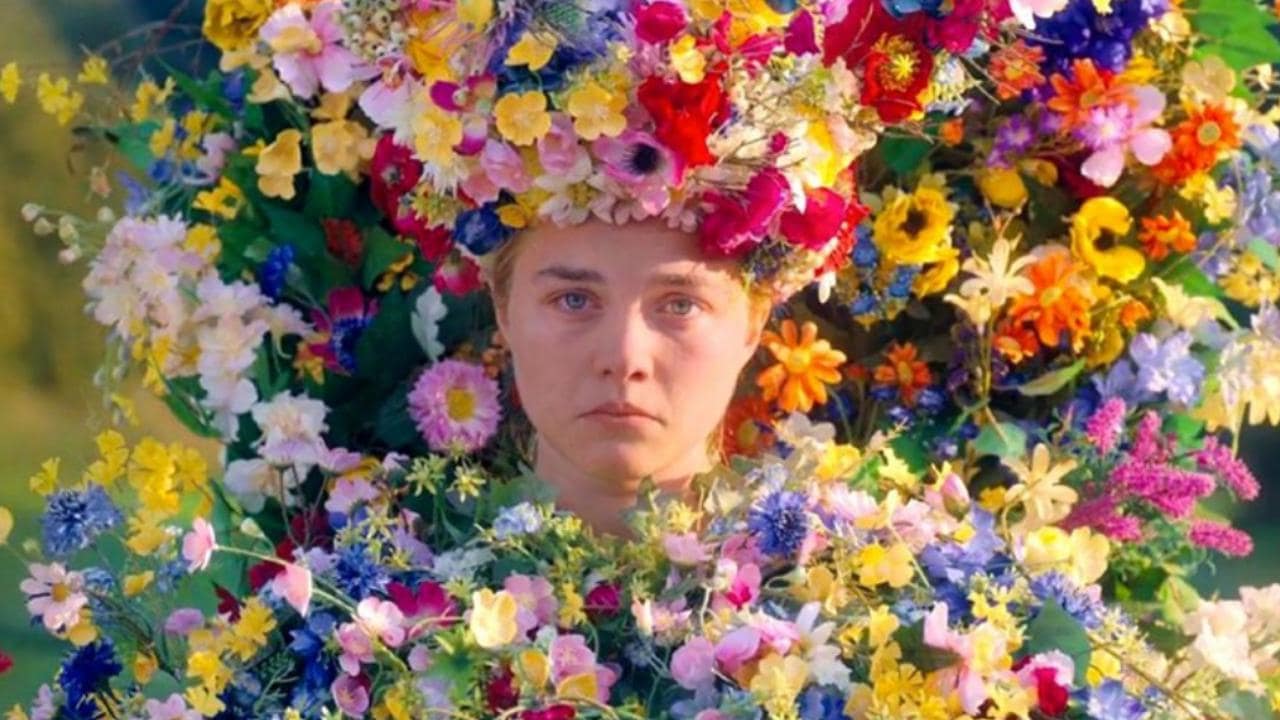
Florence Pugh as Dani Ardor in Ari Aster’s Midsommar (2019). A24.
Dani Ardor wants someone to care about her, not tolerate her, begrudgingly make room for her, or treat her grief as a scheduling inconvenience, but actually care. It’s an extraordinarily reasonable request, and the reason Midsommar is so disturbing, and disturbingly relatable.
Dani begins the film emotionally devastated and increasingly isolated in a relationship where her needs are treated as burdensome. She’s desperate for reassurance, but terrified of asking for too much. Then she encounters a community that appears willing to give her everything she’s been missing. Attention. Acceptance. Emotional connection. The fact that this community also has some rather alarming ideas about human sacrifice becomes, apparently, a secondary concern.
Ari Aster’s film is often discussed as a breakup movie, but its real discomfort comes from how thoroughly it understands the appeal of belonging. Dani doesn’t become vulnerable because she’s foolish. She becomes vulnerable because she’s grieving, isolated, and desperate for people who will acknowledge her pain. The cult understands that need and exploits it.
A24’s official synopsis establishes how Dani’s family tragedy and troubled relationship precede the group’s visit to the Swedish commune. The film’s final moments are so unsettling because they invite viewers to experience Dani’s relief even while recognizing the horror surrounding her. And that raises a question considerably more interesting than whether she deserved a better boyfriend. Is feeling understood always the same thing as being loved?
Nell Crain — The Haunting of Hill House (2018): What Happens When Nobody Believes You?
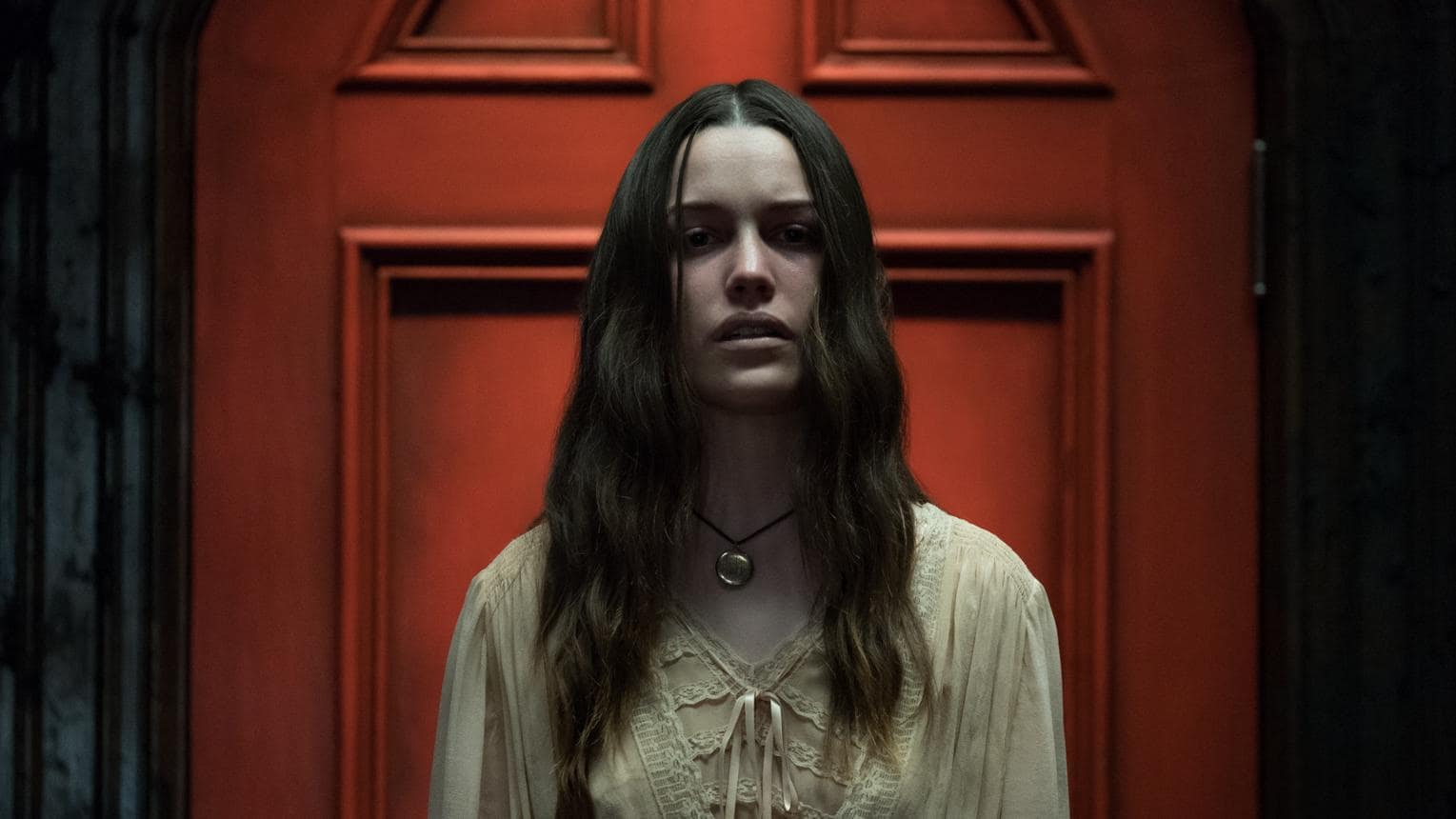
Victoria Pedretti as Nell Crain in The Haunting of Hill House. Netflix.
Nell Crain isn’t a monster: she’s a woman who has spent much of her life trying to convince people that something is wrong. Unfortunately, the people around her have become very good at explaining why she shouldn’t feel that way, constantly leading her down dead ends, driving her further towards madness. Mike Flanagan’s The Haunting of Hill House is full of ghosts, but some of its most disturbing moments have nothing to do with the supernatural. They’re about family. Specifically, the way families can love someone deeply while still failing to understand what that person is experiencing.
Nell is frightened, lonely, and struggling with memories that her siblings have learned to interpret in entirely different ways. Everyone has their own explanation. Everyone has their own problems. And Nell’s pain becomes something the family acknowledges without necessarily knowing how to address. Victoria Pedretti plays her with a vulnerability that never feels manufactured. Nell isn’t demanding attention because she enjoys being difficult. She wants someone to understand that what she’s experiencing is real.
The show’s fifth episode, “The Bent-Neck Lady,” is devastating because it reframes the supernatural threat around Nell’s life in a way that makes the horror intensely personal. The episode’s revelation isn’t simply an ingenious ghost-story twist. It transforms the figure Nell has feared since childhood into an expression of the tragedy surrounding her own life. And that’s where the series becomes more than a haunted-house story. Sometimes the most frightening thing about a ghost story is realizing how long someone has been asking for help.
Dr. Malcolm Crowe — The Sixth Sense (1999): The Things We Don’t See Until It’s Too Late
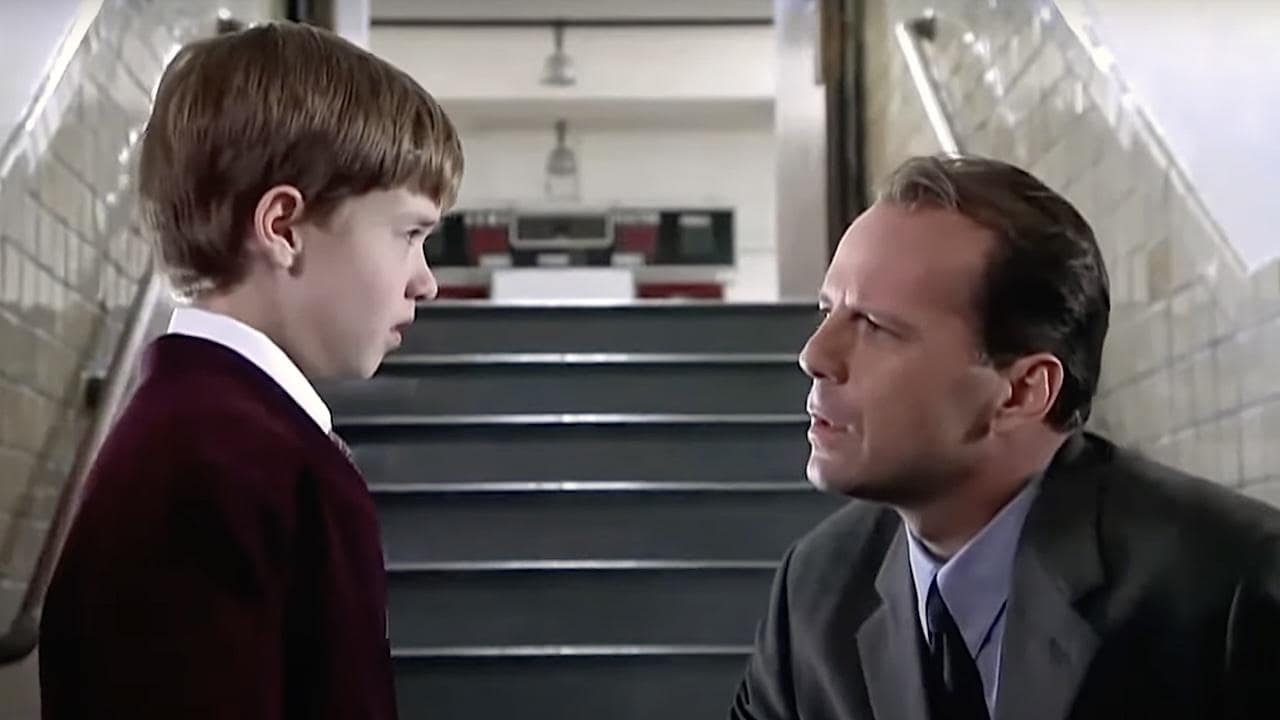
Malcolm Crowe is a child psychologist who believes he can help a little boy nobody else understands, which sounds like a perfectly reasonable premise for a movie. But this is an M. Night Shyamalan movie, so we’re going to have to reconsider what we mean by reasonable. Bruce Willis plays Malcolm with a quiet sadness that makes him feel almost painfully ordinary. He’s intelligent, compassionate, and determined to help Cole Sear, a child whose terrifying experiences have left him isolated from nearly everyone around him.
Malcolm doesn’t dismiss Cole’s fears, he listens. And in a film where so many adults are desperate to explain away what they don’t understand, that willingness to listen becomes extraordinarily important. He’s the first adult that allows Cole to express his fears. But The Sixth Sense is also about something much more uncomfortable than ghosts. It’s about regret. Malcolm has devoted his life to helping other people while struggling with the emotional distance in his own marriage. He wants to believe that doing something good can compensate for the things he’s failed to recognize. How often do people become so focused on fixing one part of their lives that they stop noticing what’s happening everywhere else?
The film’s famous revelation is memorable because it changes the meaning of almost everything that came before it. But the emotional impact isn’t simply that Malcolm discovers the truth about himself. It’s that he finally understands what he’s been unable to acknowledge about his life and his relationship with his wife. Malcolm isn’t frightening because he’s dangerous. He’s haunting because he’s a reminder that good intentions don’t guarantee understanding. Sometimes the most haunting thing isn’t a ghost. It’s everything we wish we’d said when we had the chance.
Patrick Bateman — American Psycho (2000): The Man With Everything and Nothing Underneath
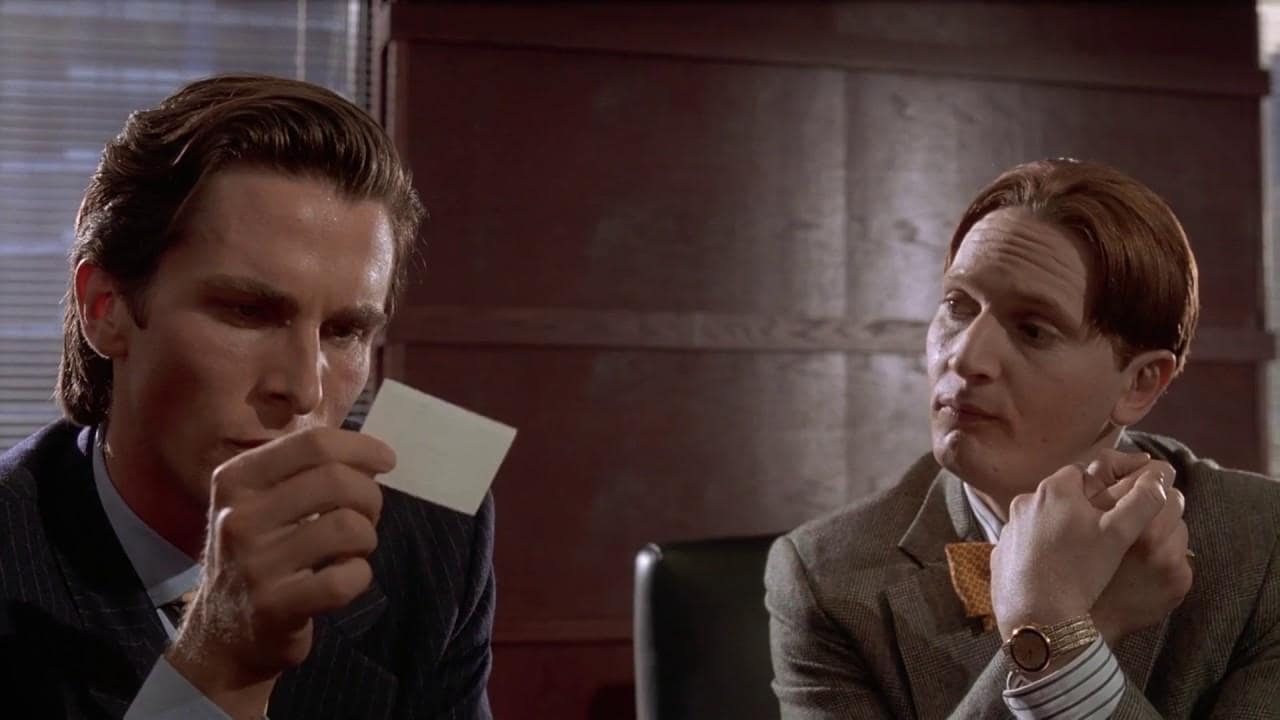
Christian Bale as Patrick Bateman in American Psycho (2000). Lionsgate.
Patrick Bateman has everything. Money, an expensive apartment, designer clothes, a prestigious job, and a skincare routine that requires more effort than most people’s entire morning. He also has absolutely no idea who he is, and he is truly terrifying once he starts to figure himself out. Or who he thinks he is.
American Psycho is frequently remembered for Christian Bale’s extraordinary performance, the violence, and the increasingly absurd displays of wealth. But Patrick’s obsession with status is what makes him such an effective satirical character. He’s terrified of being ordinary. His identity is assembled almost entirely from the things he owns, the places he visits, and the people who recognize him.
Even his business card becomes an existential crisis. The joke, of course, is that the men he’s desperate to impress are almost indistinguishable from one another. They’re wearing the same suits, visiting the same restaurants, and competing for the same status symbols. Nobody is particularly interested in anyone else. And Patrick, despite his obsession with being exceptional, is constantly mistaken for somebody else.
It’s hilarious. It’s also bleak. The film’s violence is extreme, but its criticism of status anxiety and consumer culture is considerably more recognizable. Patrick’s inability to distinguish genuine human connection from social competition isn’t incidental to his monstrosity. It’s central to the film’s satire. He’s surrounded by people who care intensely about appearances and almost nothing about one another, which means a great deal of his behavior can be overlooked as long as he continues to look successful. The monster isn’t hiding behind the expensive suit. The expensive suit is practically his entire personality.
Cassie Thomas — Promising Young Woman (2020): What Happens When Everyone Else Gets to Move On?

Carey Mulligan as Cassie Thomas in Promising Young Woman (2020). Focus Features.
Cassie Thomas is angry, and she’s not quiet about. She has every reason to be, and she’s surrounded by people who would very much appreciate it if she could stop bringing up something they’d prefer to forget. It wasn’t convenient to their lives to relive a situation that had been “settled”.
In Promising Young Woman, Carey Mulligan plays a woman whose life has effectively stopped moving forward following a devastating injustice involving her closest friend. The people responsible have continued with their lives. Cassie hasn’t. Instead, she spends her nights confronting men who consider themselves decent people right up until they encounter a woman they believe is too vulnerable to object.
The film’s greatest strength is that it understands how easily people rationalize their own behavior. Everyone has an explanation. Everyone has a version of events that makes them look better. And everyone seems remarkably comfortable asking Cassie to move on. As though the passage of time is a substitute for accountability.
Cassie isn’t a conventional revenge heroine, and Emerald Fennell doesn’t offer the uncomplicated satisfaction audiences might expect from one. The film repeatedly dismantles the idea that harmful behavior is somehow less serious when the person responsible insists he didn’t mean anything by it. And Cassie’s refusal to accept those excuses makes her deeply inconvenient.
What’s most uncomfortable about Cassie is that her anger isn’t the problem. The problem is that she’s built her entire existence around a world that refuses to acknowledge why she’s angry. And the longer she waits for accountability, the less room there is for anything else. Cassie doesn’t ask us whether revenge is satisfying. She asks what happens when everyone else gets to move on from something you can never forget.
Horror’s Most Uncomfortable Characters Know Something About Us

The Losers Club in It (2017). Warner Bros. Pictures / New Line Cinema.
There are plenty of reasons to watch horror on Halloween. The atmosphere. The suspense. The elaborate murders. The opportunity to watch somebody make a spectacularly stupid decision while you sit comfortably on your couch explaining why you would obviously have survived. But the best horror and psychological thrillers don’t always give us that distance. Sometimes they make us recognize the person we’re supposed to be afraid of, and sometimes they make us recognize the person who allowed the monster to get away with it.
That’s the difference between Annie Wilkes and Pennywise, between Hannibal Lecter and Lisbeth Salander, between Kai Anderson and Nell Crain. They aren’t interchangeable. Some exploit vulnerabilities. Some are punished for having them. Others discover that their worst instincts are precisely what the world is willing to reward. We understand Pearl’s fear of being ordinary, Misty’s desire to be needed, Dani’s desperation to belong somewhere. We might even understand Amy Dunne’s resentment. Which is not an endorsement of anything Amy Dunne has ever done.
Understanding isn’t forgiveness. And sympathy isn’t the same thing as approval. Pennywise doesn’t need to be sympathetic to be frightening. Hannibal doesn’t need to be innocent to be fascinating. And Lisbeth doesn’t need to be agreeable to deserve justice. The point isn’t that everybody has a monster inside them.
That’s a convenient explanation, but a lazy one. The more uncomfortable truth is that fear, loneliness, ambition, and anger don’t automatically make people dangerous. What people choose to do with those feelings matters. So does what everyone around them is willing to overlook. Sometimes the monster is the person doing something terrible. Sometimes it’s the person convincing everybody else that something terrible is perfectly reasonable.
And sometimes there isn’t a monster at all. Just someone nobody bothered to understand. Eventually, the movie ends. The credits roll. The lights come back on. The clown disappears into the sewer. The uncomfortable little moment of recognition? That tends to stick around. And it tends to make people quite… uncomfortable.
Happy Halloween.

