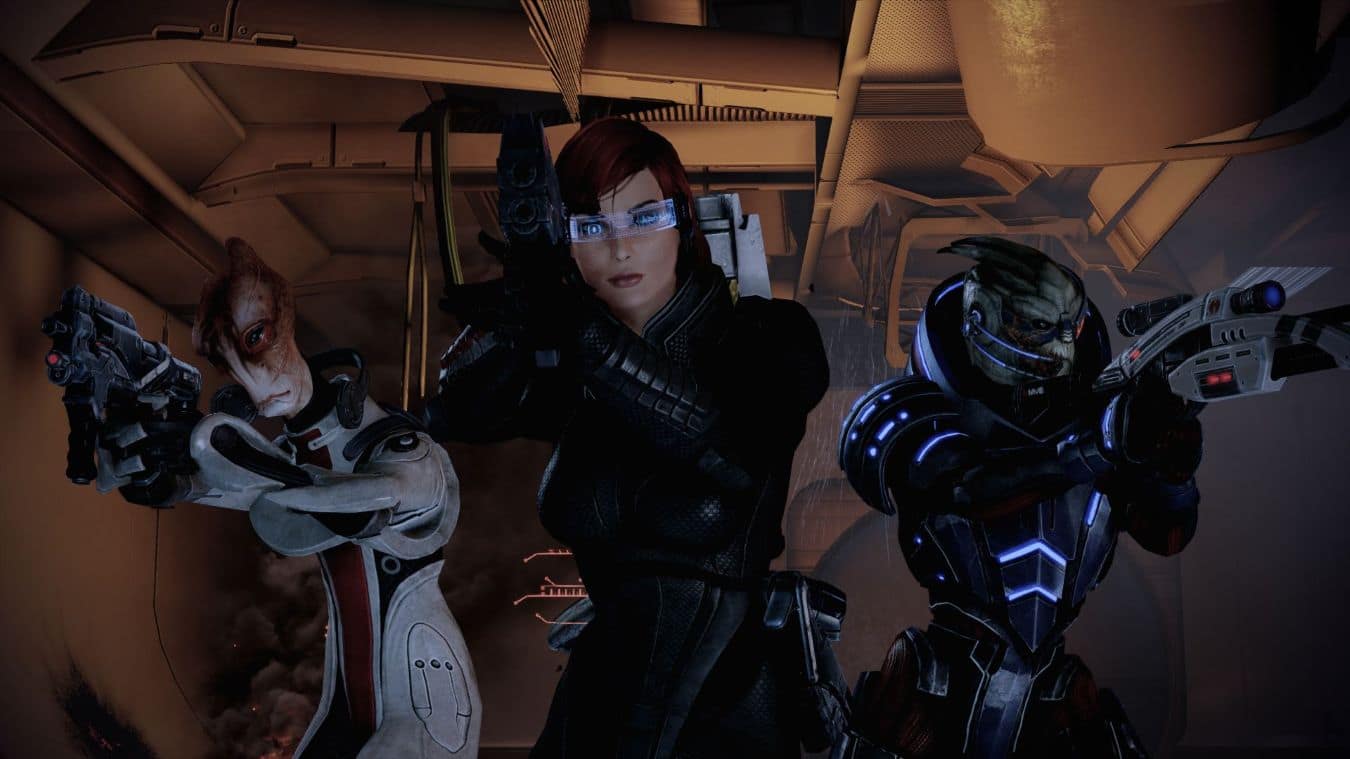
BioWare’s legacy, and everything its projects gave to video games, could be an entire article series. There was a time when titles like Ocarina of Time were the pinnacle of game storytelling. Then, a studio came along that matched pristine gameplay with stories that rivaled hit movies or best-selling books. This beloved developer’s legacy lives on in games released to this day, even if its brightest moments dimmed some years ago. The news this week that EA is closing BioWare feels like losing a good friend, or countless friends, given the studio’s memorable characters. Like all great losses, it feels like we didn’t fully appreciate BioWare while they were still around. As we mourn the loss of an iconic team, it feels like the end of an era in Western game development.
EA Closing BioWare Comes After a Controversial Buyout and Many High-Profile Exits Over the Years
BioWare, which EA purchased in 2007, hasn’t released a game worth much note in recent years. Despite this, the legacy and impact of its games have kept hope alive that the studio could return to its former glory. Now we know that won’t happen, thanks to a $55 billion buyout of EA. Saudi Arabia’s Public Investment Fund and Donald Trump’s son-in-law Jared Kushner’s private equity firm, Affinity Partners, led the buyout. Nobody felt great about the acquisition. However, there were some assumptions about changes to EA. A principal assumption was that a studio as historic as BioWare wouldn’t be on the chopping block. However, BioWare today is far from what it once was, and that has a lot to do with the people.
Major figures who shaped BioWare weren’t there for its final days. Co-founders Ray Muzyka and Greg Zeschuk retired in 2012, half a decade after EA took over. Mass Effect Director and Executive Producer Casey Hudson left in 2014, then returned as GM in 2017 and left again in 2020. Others tied to Dragon Age, like Executive Producer Mark Darrah and Veilguard Director Corinne Busche, also left. Not to mention the countless staff who had left during rounds of downsizing and project turmoil over the years.
A games studio is a culmination of its people and their art. BioWare could not be left out of any conversation about gaming’s expansion into storytelling and cinematic experiences. That’s part of why EA closing BioWare feels like the end of an era.
BioWare’s Legacy Cannot Be Removed from Gaming History, Even During its Darkest Days
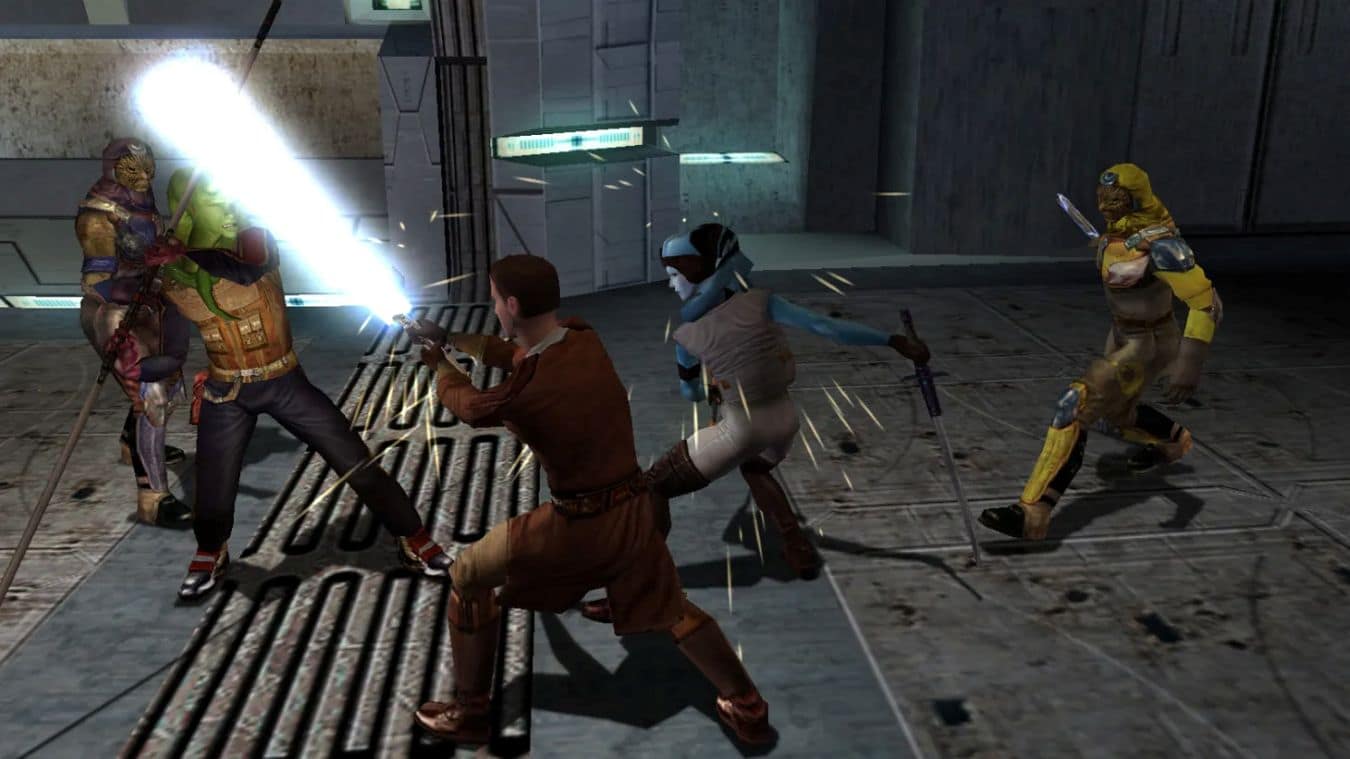
From the late 1990s and the launch of Baldur’s Gate, BioWare’s approach to narrative and storytelling immediately changed gaming. As a sequel ramped up into Star Wars: Knights of the Old Republic, it was hard to argue that a new level of production and presentation was ready to change things forever. It’s one thing to follow up a Dungeons and Dragons game and Star Wars adventure with an original project. It’s another to somehow make a game trilogy like Mass Effect more commercially successful and critically acclaimed than the two gigantic IPs that preceded it.
From decisions that shape how the game plays out to emotional, heart-wrenching stories and characters that feel as alive as the player, BioWare isn’t diminished or destroyed by this closure. In fact, its success didn’t even dip until EA’s acquisition thrust upon it the live-service nightmare of Anthem. Even its final project, Dragon Age: The Veilguard, began as a live-service game. The live-service model works for iterative game experiences. BioWare was anything but iterative. While it learned something from every project, it wasn’t looking to take small steps. Daring, timeless games stick with players because they show them something they didn’t know was possible. BioWare’s magic touch left players in awe for decades. No disrespect to game studios today, but that feeling is fleeting in an increasingly shareholder-catered industry that prioritizes profits over prolific experiences.
An End of An Era
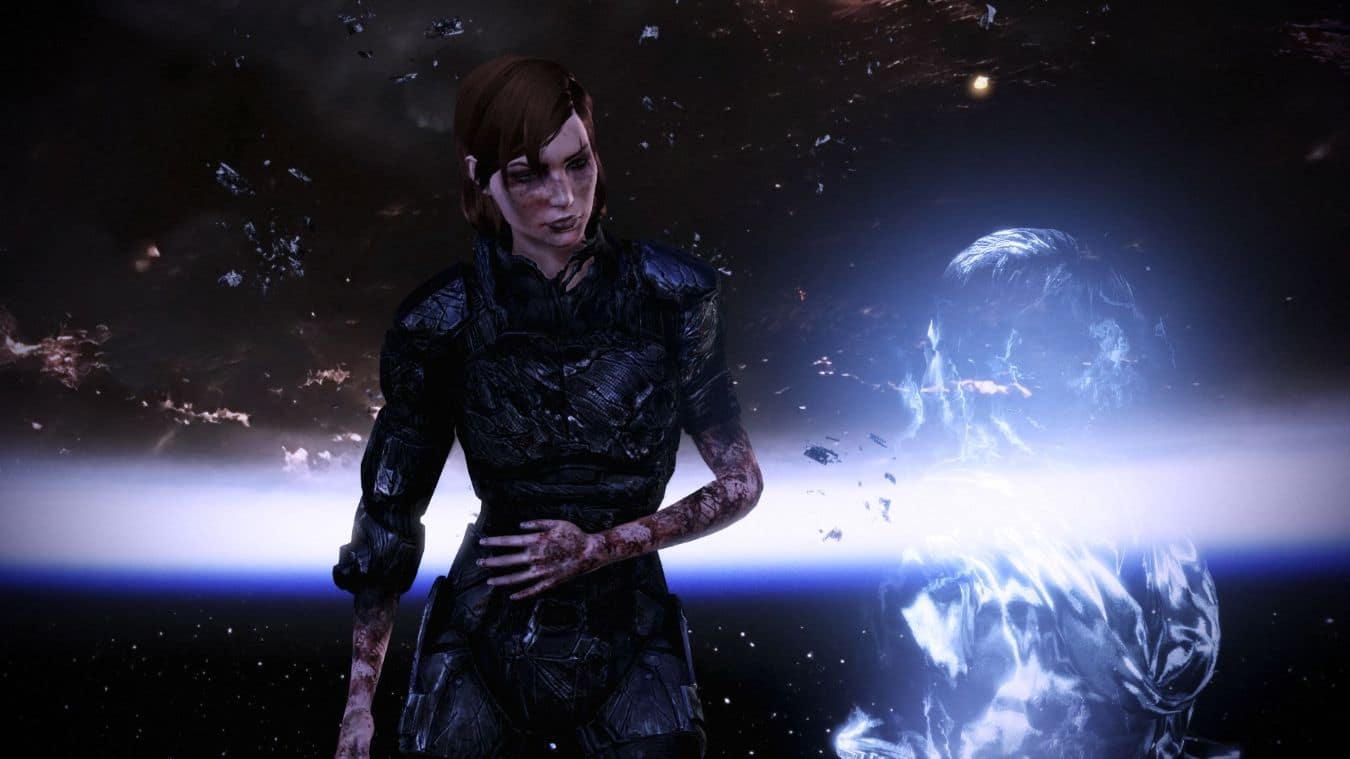
When I think of BioWare, it won’t be for any one game or story moment in particular. I’ll always cherish the suicide mission of Mass Effect 2 and the jaw-dropping reveal in Knights of the Old Republic. I’ll even remember my time with the party in Dragon Age: The Veilguard, despite the game’s shortcomings. What will stay with me most is how playing a BioWare game felt unlike any other experience. As titles like Baldur’s Gate 3 or The Blood of Dawnwalker have carried the mantle, story-driven gaming still has a future. It just feels more like an exception than the norm. BioWare pushed studios to spend more time challenging players to feel, not just to press buttons.
Video games alone let you play a role in what’s happening on-screen. Games’ interactive nature makes them a human medium, despite studios trying to shove AI into today’s experiences. There will always be demand for games to do more than show. Telling a story that stays with you enriches a game endlessly, and nobody did it better than BioWare. If you need me, I’ll be rolling through the Mass Effect Legendary Collection and pretending EA didn’t ruin an all-time great.


