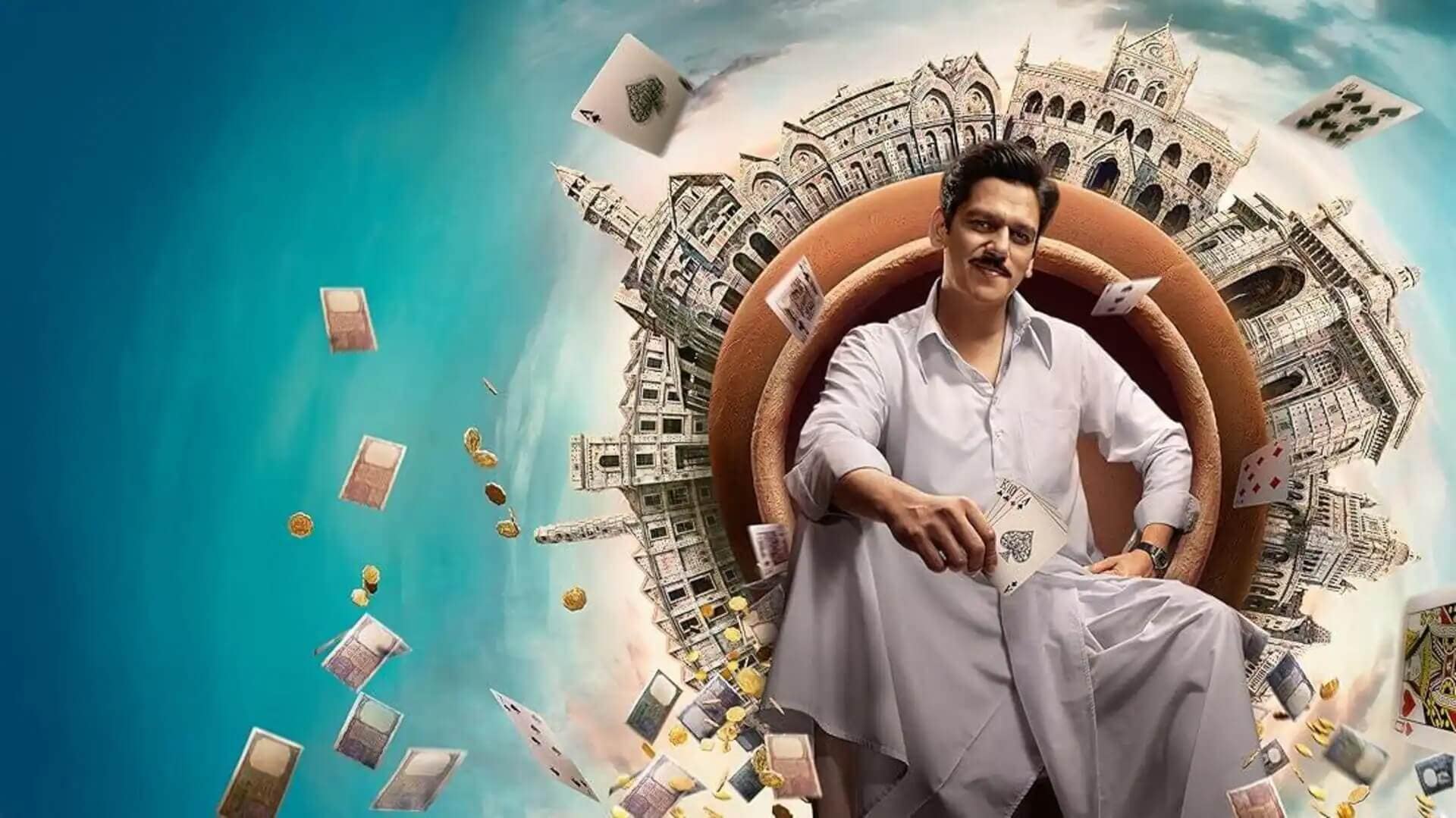
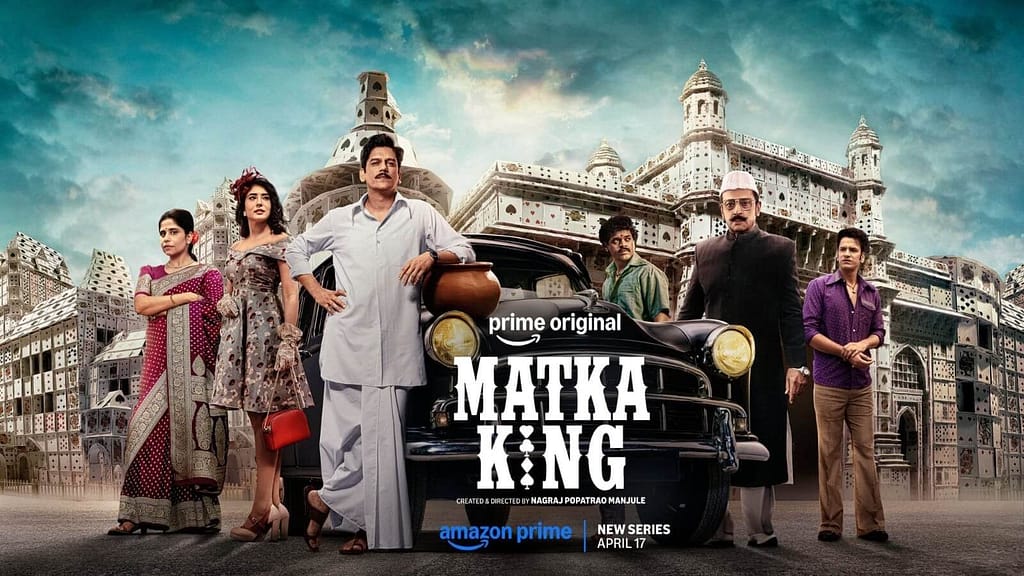
Matka King is Prime Video’s newest original Bollywood series. The show sees the evolution of a basic card-draw game that pioneers the concept of legal gambling and lotteries in India. The rise of gambling as an idea, set against the backdrop of India’s own development as a nation, Matka King is meant to be a conventional offshoot of the gangster drama / bio-pic genre. But it comes off as an entirely toothless version of it, with only a handful of interesting moments that a series does not make. Read my Matka King series review to see why this show wastes a talent like Vijay Verma.
Note that the following contains spoilers for Matka King, now streaming on Amazon Prime Video.
I was excited for Matka King because I enjoy Vijay Varma’s work. From Jaane Jaan to Darlings, Varma’s choices are always interesting and engaging. Leading his first original series, with no other notable star name attached, Matka King should have worked. The story sees the rise of Brij Bhatti (Varma), a small time card dealer working a gambling operation at a local factory in pre-independent India. Realizing the crooked nature of gambling, and how its always rigged for the house to win, Brij sets off on an ambitious venture: to bring honesty into gambling.
Brij’s journey follows the usual gangster / entrepreneurial biopic story. Weird, how both those career paths have similarly dramatic origins. Brij breaks off from his former corrupt boss, Laljibhai (Gulshan Grover) and starts his own betting business, with a new and innovative game, and one thing that sets him apart: his integrity.
What sets Matka King apart from other crime dramas.
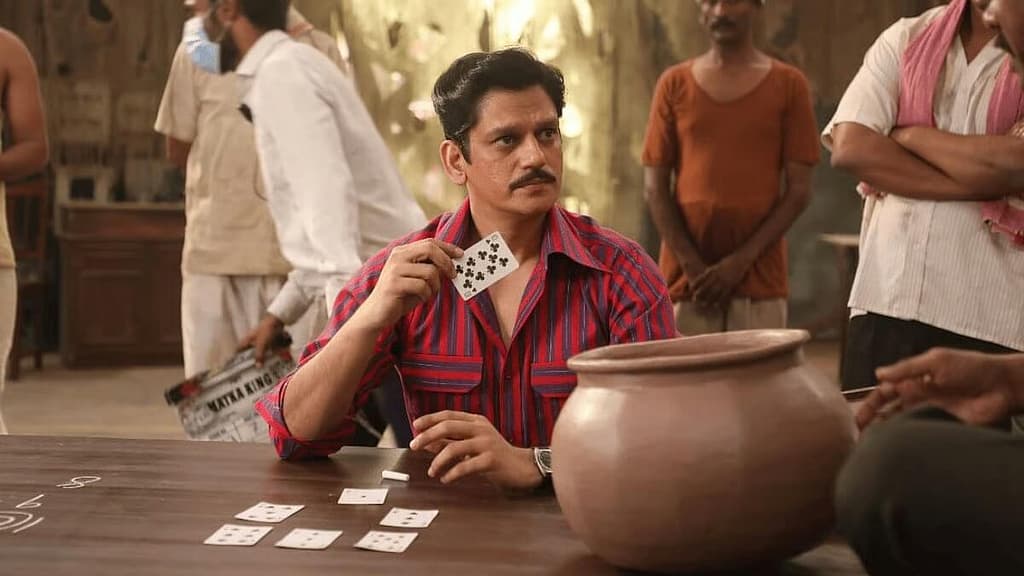
Brij sells his game as ‘honest gambling’. Where the luck of the draw is the only thing that determines winners and losers. Brij pulls the cards himself, and no one questions his integrity. Because he’s worked hard and risked bankruptcy many times to maintain his word and pay his debts. It’s an ideal intention, but it’s a concept that is flawed from the start, creating an underdeveloped protagonist who himself doesn’t seem invested in his own dealings.
What took me a while to ‘get’ was what creators Nagraj Manjule (Sairat) and Abhay Koranne (Bhavesh Joshi Superhero) were trying to explore with Matka King. There are many ‘aha!’ moments in the show when you realize that the series is exploring the creation and evolution of gambling within India. That’s where the show succeeds. Watching industruious men with ideals and loyalty create something at the grassroots level that we now know is a multi-billion dollar, worldwide industry is incredibly engaging.
But that’s kind of it. These moments feel like wink-and-nod moments for the audience, rather than anything organic in the narrative. Scenes end in flourishes that sometimes have no place in the context of whatever just unfolded in the story. Characters, namely the protagonist Brij, behave in archetypal ways, rather than in motivations unique to this character, which makes sense to this story.
Matka King fails due to an underdeveloped protagonist that carries the show.
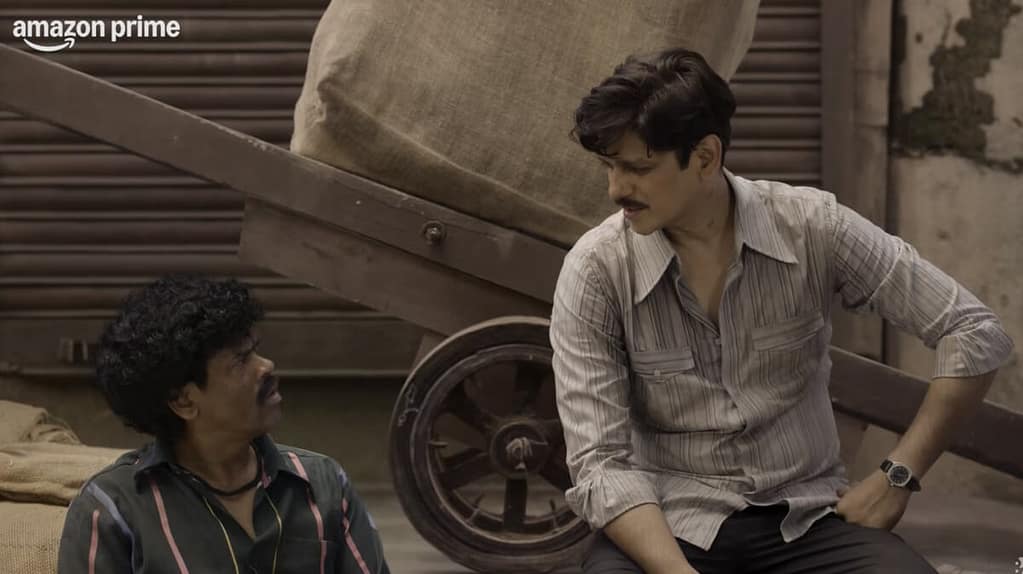
For example, Brij is an honest man with integrity and ethics. His gambling business and the reason he has the support of the people is due to this very specific character trait. But there is absolutely no reasoning or understanding of why that is so important to him. Especially when he seems to play fast and loose with his ethics and morality. For example, when it comes to marriage and infidelity. Which feels more like a story beat that has to be included than anything that felt warranted in this particular story.
While sometimes Brij is cocky and self assured (all of a sudden deciding to only wear white), other times he’s cruel and reactive (taking his most loyal friend for granted). There’s never any understanding of what he is trying to achieve (money, power, respect, prosperity, change?) other than a will to move forward, mandated by the writer’s pen, it feels like. He makes large sweeping speeches about change, but it’s hard to take him seriously, because ultimately, he just runs a gambling business.
Subplots and supporting characters are treated like an afterthought.
Matka King isn’t all bad, but the good comes few and far between. And the rest of the show is engaging enough to want to keep watching. But it’s just not that interesting. And the most interesting aspects of the show are seemingly there to fill a quota, rather than to explore anything meaningful.
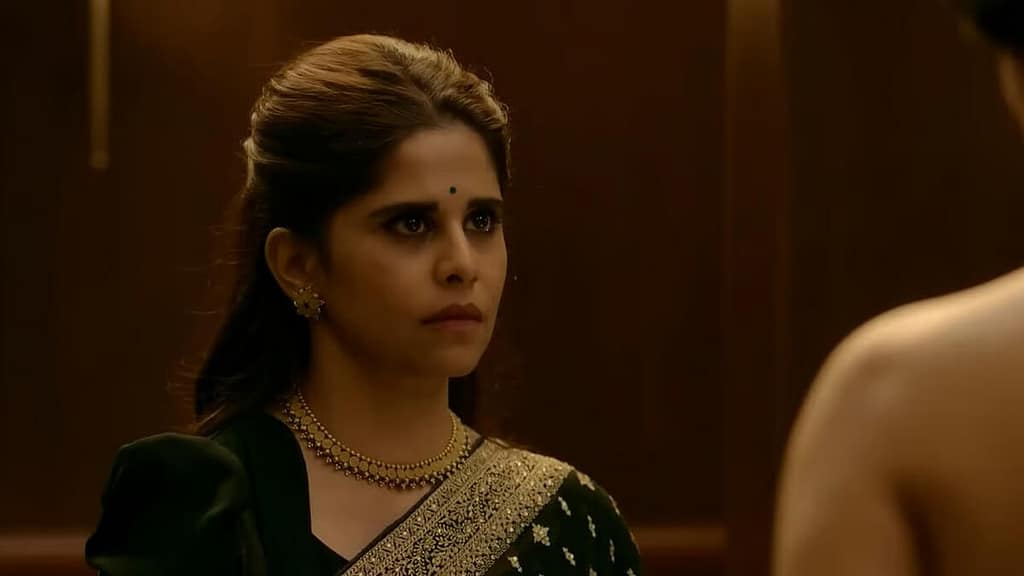
Brij’s supportive wife Barkha (Sai Tamhanker) has a great arc of wanting to support her husband, despite becoming aware of his moral greys, and trying to forge her own path. But unlike actual ensemble shows, her arc feels like it’s only there to service the divide between her and Brij. Not to actually develop her character into her own. It’s frustrating because, similarly, a large aspect of the plot is mostly ignored by the show.
Through the character of the persistent journalist TP D’Souza (Girish Kulkarni), the story introduces the idea of how gambling corrupts and is harmful, as it introduces problems such as addiction into a working class society. The series does explore this briefly through TP’s friend, the disgraced police officer Enkath (Bharat Jadhav), who is fired and then falls into gambling and addiction himself, ultimately taking his own life. It’s a shoe-horned subplot, meant to showcase the devastating effects of gambling on society. But the show doesn’t execute the plot point well. It comes too late in the series, and the worst part is that Brij never seemingly has to deal with that part of the story.
Matka King wastes talents like Gulshan Grover.
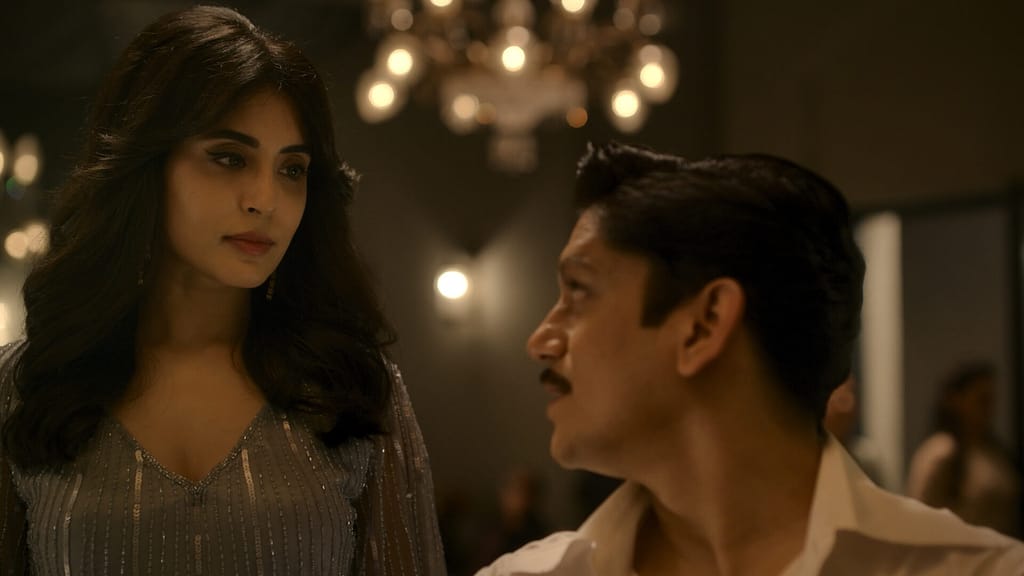
For someone so ethical and just, Brij never seems to face the consequences of the lives his business ruins. It’s not something he is ever confronted with or has to pay for. Which feels like a cop out, to say the least. It also prevents the audience from ever really connecting with Brij. Audiences have followed questionable protagonists or anti-heroes into the depths of hell and back, if we understood them. Given that we never really know Brij, it’s hard to continue following him when he seemingly takes a turn away from heroism.
Some bright spots in a meandering series are Brij’s loyal friend Dagdu (Siddharth Jadhav). Jadhav is an absolute standout! He keeps pace with Verma, outdoing him at times. More so than Brij’s, it feels like Jagdu’s story, given he is also narrating the tale. This explains the distance the audience feels for Brij. But that narrative element isn’t consistent, as a lot of the story also unfolds from Brij’s perspective. Jadhav really shines here as another gem from another streaming show. But it’s the only takeaway from Matka King. Even Grover, who is always consistent, isn’t given any standout moments, no emotional monologue or proper villain moment. Which is baffling given the veteran actor’s talent and range. It all feels like wasted opportunities.
If Matka King at least told a cohesive story from beginning to end, there may have been some redemption. But the way season 1 ends, it feels unresolved and as if there were no stakes to the story of season 1. It’s emblematic of my major issues with Matka King: a basic idea never fully developed or explored, but shoe-horned in to check off storytelling boxes.
Matka King season 1 is now streaming on Amazon Prime Video.
Did Matka King hit the jackpot for you, or did it leave you feeling shortchanged? Sound off in the comments below! If you enjoyed this unfiltered review, make sure to add and follow @theshahshahid on X for regular entertainment breakdowns, critiques, and industry commentary you won’t want to miss.


