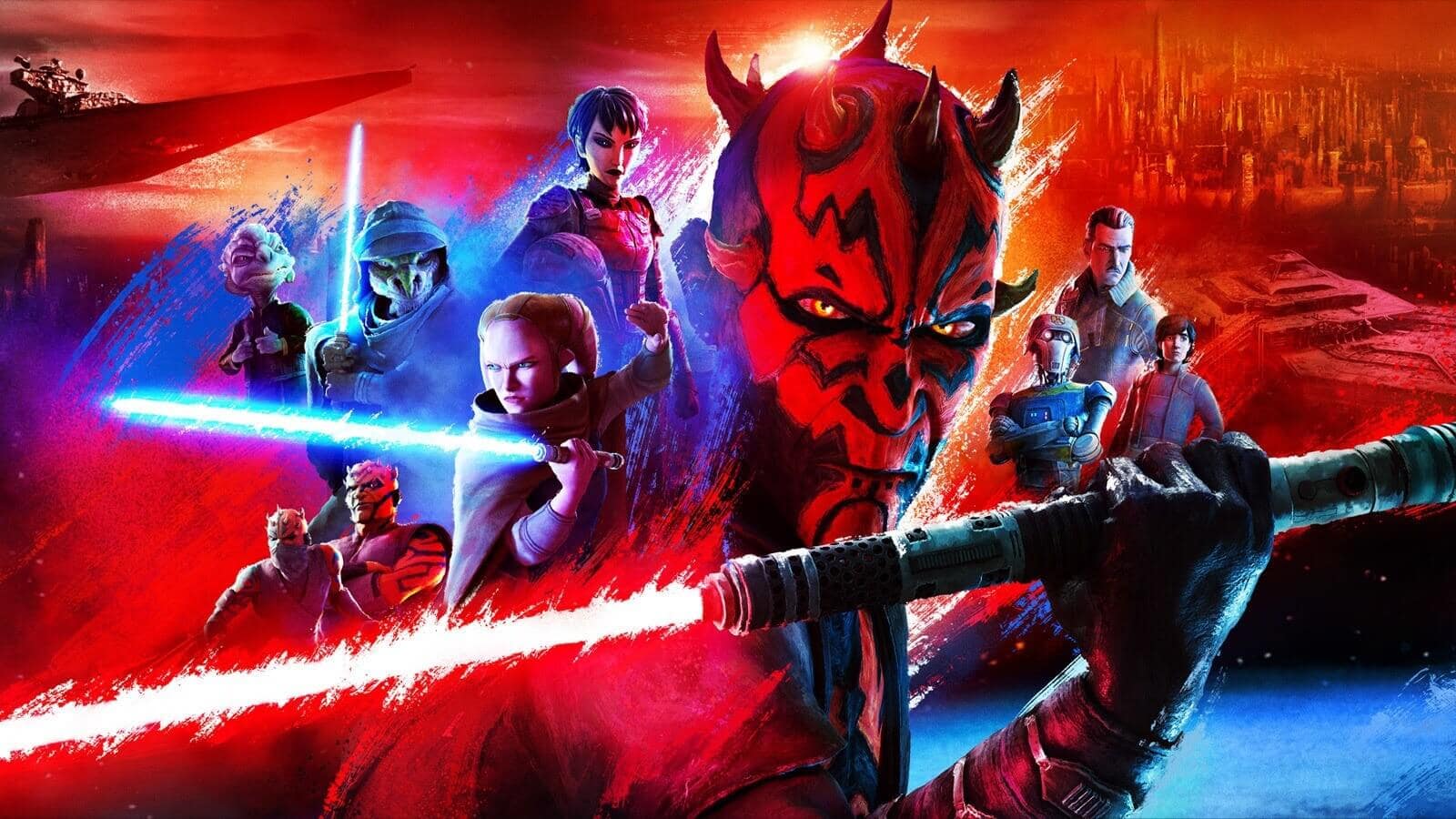
Star Wars seems to have found a sure-fire formula for telling incredibly well-crafted stories set in this universe, exploring the origin stories of supporting characters that no one knew they wanted. First, the Rogue One prequel Andor went on to become an Emmy Award-winning prestige drama, considered by many as the best Star Wars yet. Similarly, Maul—Shadow Lord sees an in-between story of a character long thought dead, and then again, not. More than an origin, Shadow Lord deepens the lore around one of the franchise’s greatest antagonists and most curious of anomalies: Darth Maul.
Please note that the following contains spoilers about Maul and his history throughout the Star Wars franchise.
First introduced in Episode 1: A Phantom Menace, Darth Maul (played by stuntman Ray Park) was the main antagonist of the film, seemingly meeting his ultimate end in the third-act climax. However, since that finale, that enigmatic character of Maul returned in many other stories, in various mediums like comics and TV shows, fleshing out his time within the Star Wars universe. The new series focuses on his on-screen history shown post-Phantom Menace from the animated The Clone Wars and Rebels series.
Who Is Maul, the Shadow Lord In Star Wars?
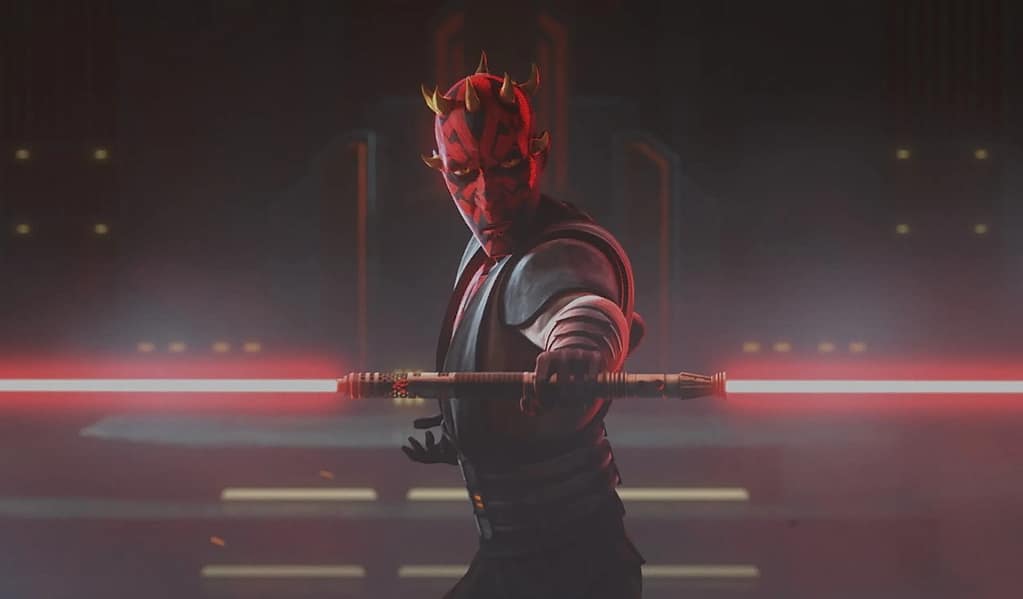
Maul’s origin story was detailed in the animated series The Clone Wars. The series followed Maul’s downfall at the end of Phantom Menace to his eventual rise and rule of the planet Mandalore. Some of The Clone Wars’ best episodes are with Maul and Ahsoka. In the Star Wars: Rebels animated series, Maul returns with the intention of finally getting a send-off at the hands of his long rival, Obi-Wan Kenobi. The episode featuring Maul’s final end is one of the more poignant full-circle moments of Star Wars.
Despite this ending, the live-action prequel movie Solo: A Star Wars Story featured an end-credit scene that saw a Maul in his prime, revealed as head of Crimson Dawn, a plot point that Maul Shadow Lord actually ties into quite well, given the ending of Season 1.
I took it very personally when Maul brutally murdered the greatest Jedi of all time, Qui-Gon Jinn. So while I will never forgive him, Maul Shadow Lord is one of the greatest Star Wars series of all time. The series doesn’t seek to redeem this iconic villain but further showcases his drive and provides even more nuance to an already complex character.
Shadow Lord takes place between Maul’s defeat at Mandalore and his rise to power as the head of Crimson Dawn. The story of the series adds elements that make it not just a Maul show, but it still focuses on him as this chaotic catalyst for the story of the series.
What is Maul – Shadow Lord all about?
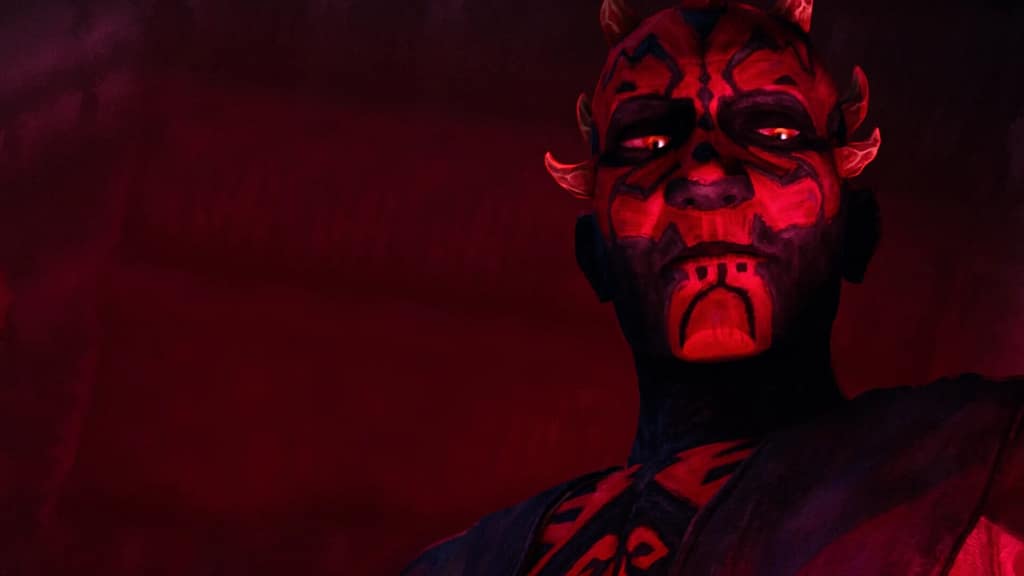
Returning to take revenge on those who betrayed him, Maul— Shadow Lord begins with Maul’s presence creating a ripple effect that impacts so many others. A former Jedi Master (Dennis Haybert), now a fugitive post Order 66, finds himself in the wrong place at the wrong time. Then there’s the detective, Lawson (Wagner Maura), a world-weary lawman who has Maul in his crosshairs. And a young Padawan (Gideon Adlon), who finds her beliefs questioned, with Maul willing to provide answers.
Shadow Lord goes beyond just a cool in-between story about a popular Star Wars character. The creators and writing team brilliantly populate the series with extremely likable characters who feel like fully developed characters, with their own intricate lives. The buddy cop dynamic between Lawson and his loyal droid partner Two Boots (Richard Ayoade), where the droid seems clueless as to the Empire’s corrupt ways, is almost like a naive rookie partnered with a jaded cop. But his co-parenting dynamic with Rylee (Charlie Bushnell), Lawson’s son, is also fascinating. It’s one more thing that makes me wonder about the sentience of droids within the Star Wars universe. But that’s a topic for another day.
Shadow Lord isn’t just another villain origin story.
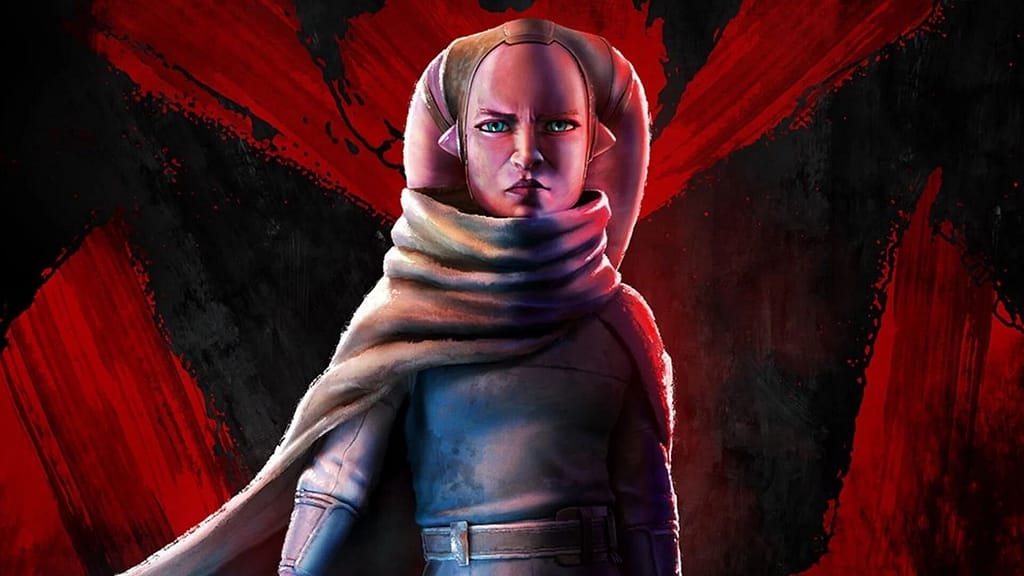
The most interesting element of Maul— Shadow Lord, like many Star Wars stories, is the allure of the Dark Side on someone whose ideas of good and evil are crystal clear; that is, until she meets Maul. Star Wars is great when it’s a tragedy: a fall from grace of higher ideals and values, sometimes to their own detriment.
The movies showed us the downfall of Anakin Skywalker. Ben Solo. The TV series fleshed out characters like Count Dooku and Asajj Ventress, and even Maul himself. It’s a Star Wars staple, but the nuance explored in Shadow Lord is unique. While on the surface, the series explores another unknown period in Maul’s life, filling in the blanks of his time within the franchise.
On a deeper level, it’s a furthering of the case study of how absolute values and principles, in either extreme of the spectrum, are susceptible to corruption and manipulation. In this series, the subject is a young Jedi in the aftermath of Order 66, where the thing they dedicated their entire lives to is no more.
How does that impact a student whose reason for being has now evaporated, and they’re now thrust into a life on the run instead? Fugitives begging to survive. Something Devon quickly learns when debating with her Master about turning Maul in, but she realizes she herself is on the other side of the law now, after Order 66. Maul— Shadow Lord displays just how such a loss of ideological grounding can lead someone astray, creating yet another tragedy within the Star Wars franchise.
Shadow Lord is a more mature animated series within Star Wars.
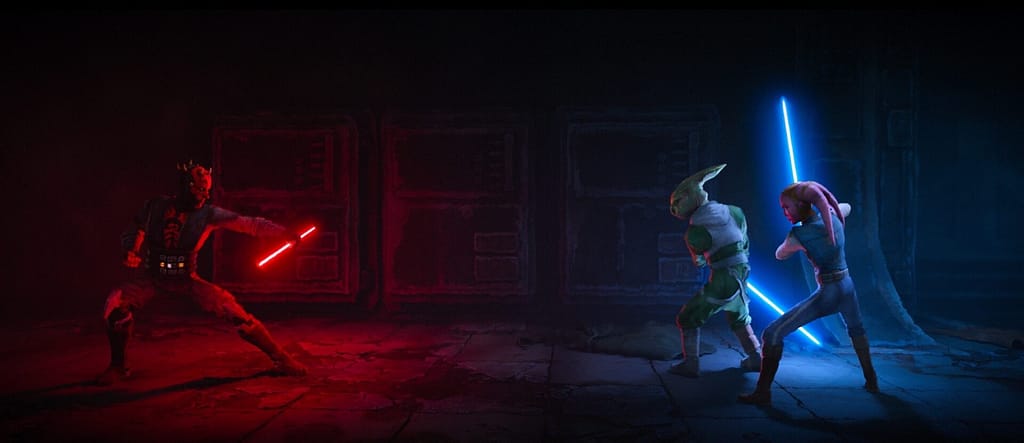
Creator Dave Filoni has spent countless shows and episodes filling in the blanks of the Star Wars universe, bridging storylines, fleshing out characters and enhancing the stories in a universe we already love. Maul— Shadow Lord is a little different.
It doesn’t feel steeped in nostalgia or reverence for what came before. Instead, it uses the familiarity of Maul to introduce new characters, new aspects we haven’t seen, and an entirely new story. A new dynamic with a new Padawan whose own values are challenged. A Jedi Master who feels impotent after the events of Order 66, symbolic of years of Star Wars stories to come.
But what’s interesting is that the series doesn’t feel like it’s retreading similar ground. Sure, certain elements are the same; that can be said of any Star Wars. But Shadow Lord isn’t just the story of Maul, or just his attempts at revenge, but a more collective story of various characters, where Maul is a catalyst that brings chaos into their lives. One of the most crucial plot points of the series happens purely by coincidence. Or the will of The Force. Depends on your perspective.
Maul – Shadow Lord cast features an Oscar-nominated actor.
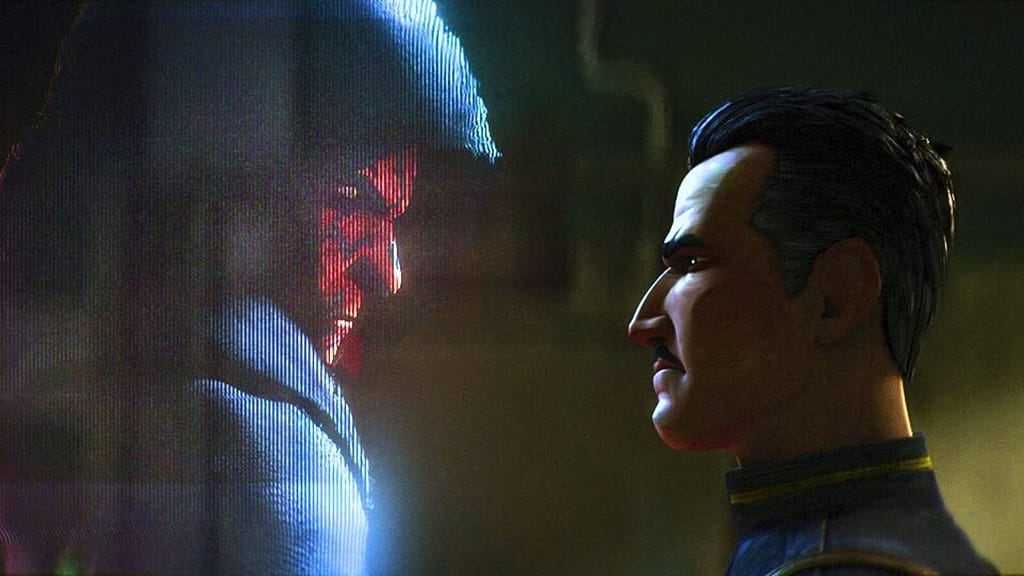
Sam Witwer has become a household name in the Star Wars franchise for his continued voice potrayal of Maul through various mediums and TV shows. From The Clone Wars to Rebels, Shadow Lord finally gives one of the franchise’s most popular characters and actor their own show. And also, one of the universe’s most tortured and fractured souls. It’s clear to see how much story is still to come from this wholly unique character.
Witwer plays Maul with that buttery smooth voice when he speaks of honour and sacrifice, as well as the jagged malice when those sporadic villain turns appear. A large part of Maul’s appeal is in Witwer’s performance. A depiction that always sparks interest in hearing more, wanting to learn more. A voice performance that, similar to Devon’s, pulls the audience in before pulling the rug out from under them. Or worse, actually making sense. Maul – Shadow Lord’s other voice cast is just as impressive to match the pace with Witwer.
Most notable is the recent Oscar nominee, Wagner Moura, as Lawson, the cop in charge of apprehending Maul. Moura plays Lawson as this experienced lawman, with a checkered past of his own. How Lawson handles being in law enforcement, while still being aware of the harsh realities of the Empire, is a fine line not often seen in Star Wars.
How does local law enforcement operate with The Empire?
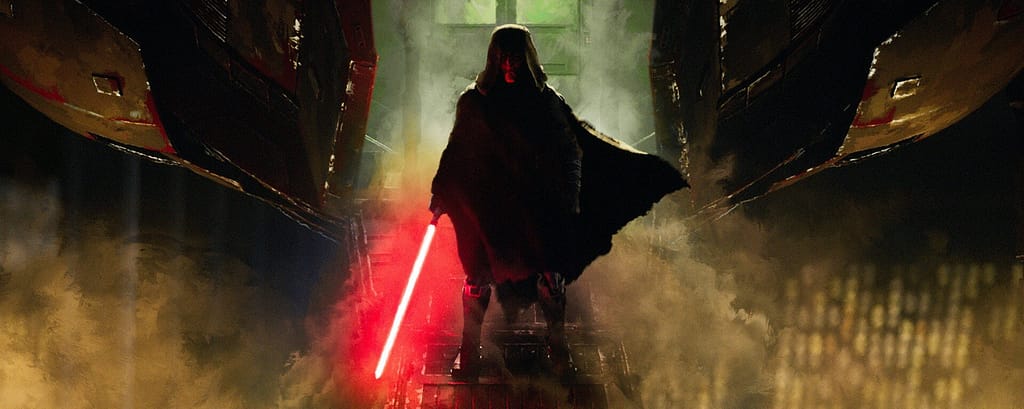
When it comes to enforcing the law, we’ve always thought of Jedi or the Emperor’s enforcers, the Inquisitors; both extremes of similar ideals. So it’s refreshing to see a cop like Lawson who handles his own business but seems to understand the Empire’s authoritarian interpretation of law enforcement. Lawson’s hesitation to call in the Empire to deal with Maul almost feels like a precursor to similar events we see play out in Andor; when the Empire moves into another small planet on the basis of hunting 1 man.
Wagner is supported in Maul— Shadow Lord by Dennis Haysbert as the Jedi Master Eeko-Dio Daki. A Jedi without his Order, trying to hold his Padawan accountable to the ideals of a way of life that was made extinct. Haysbert is known for his powerful on-screen presence, which he carries through in this voice performance as well. While also making Master Daki almost seem helpless throughout the series. A sadness in his voice, despite still being a bad-ass Jedi Master.
Not so in a physical sense, but more an idealistic impotence; unable to answer the questions or rid the seeds of doubt within his Padawan. One who is quickly learning that Jedi ideals may not be the best for survival. Padawan Devon is voiced by Gideon Adlon, who really stands out among these other more established actors. Maul’s seduction of Devon to the dark side is one that is truly captivating to watch.
A Star-studded ensemble cast leads this series.
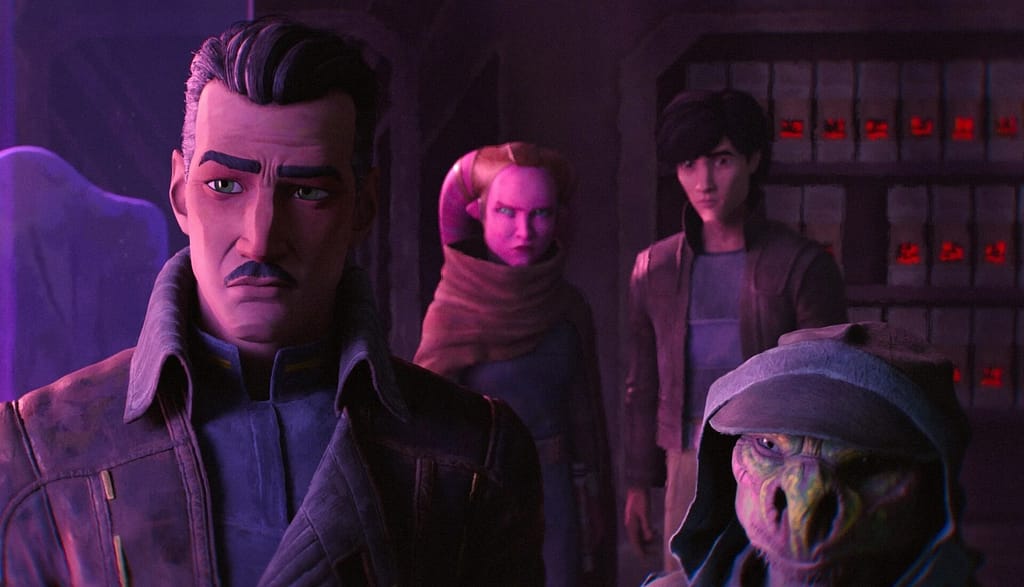
While Maul Shadow Lord features some of the most impressive Jedi lightsaber duels in recent Star Wars, arguably, of all-time, it’s the intellectual sparring between Maul and Devon that’s truly engaging. Maul’s intentions are clear from their first meeting. Which makes the eventual downfall all the more tragic. It’s this emotional core of trying to deal with being thrust into harsh reality with no moral compass pointing the right way, so any sense of direction seems appealing, even if the guide is Maul.
Maul Shadow Lord is what modern Star Wars needs to be. While still a throwback to an era I still maintain we need to move on from, it’s approach of a darker, more encapsulated story is what the franchise needs more of. Shadow Lord will not be for everyone, but there is enough story and exposition for a first-time viewer to pick up the noir, hard-boiled detective and gangster genre elements, to follow along and enjoy it. And if they wanted more Maul, there’s an entire universe full of his stories.
Star Wars: Maul – Shadow Lord season 1 is now streaming on Disney+.
Does Shadow Lord prove that the past still holds the best Star Wars stories, or are you ready to look to the future for new stories? Drop your thoughts in the comments below, or follow me on X at @theshahshahid for more Star Wars reviews, deep dives and hot -(ish) takes.


One Comment on “MAUL – SHADOW LORD: Sam Witwer & Wagner Moura Shine in a Mature, Character-Driven Star Wars Showcase”